Brand Advertising Guide 2026: Strategies for Lasting Impact
Brand Advertising Guide 2026: Strategies for Lasting Impact
Brand Advertising Guide 2026: Strategies for Lasting Impact
Dec 20, 2025
In 2026, brand advertising is no longer just about getting noticed. It is about building emotional connections that inspire loyalty and drive long-term business growth. Brands must do more than stand out—they need to resonate on a personal level.
This guide explores the most effective brand advertising strategies for 2026. You will discover evolving fundamentals, the science behind storytelling and visuals, multi-channel tactics, and the latest innovations. Ready to future-proof your advertising efforts? Dive in to unlock actionable steps and proven approaches designed to make your brand thrive in a competitive digital landscape.
The Foundations of Brand Advertising in 2026
Brand advertising in 2026 is evolving rapidly, reflecting shifts in consumer values and the crowded digital marketplace. Brands are moving beyond mere visibility, focusing on creating emotional connections that last. With digital ad spend set to reach $836 billion by 2026, competition for attention is at an all-time high. To succeed, brands must understand the fundamentals that drive recognition, loyalty, and trust.
Defining Brand Advertising in the Modern Era
Brand advertising is more than just promoting products. It’s about building a long-term emotional bond with audiences. Unlike campaigns focused solely on immediate sales, brand advertising aims to boost brand recognition, nurture loyalty, and establish credibility over time.
Key objectives include:
Raising awareness and recall among target audiences
Fostering trust and loyalty through consistent messaging
Positioning the brand as an industry leader
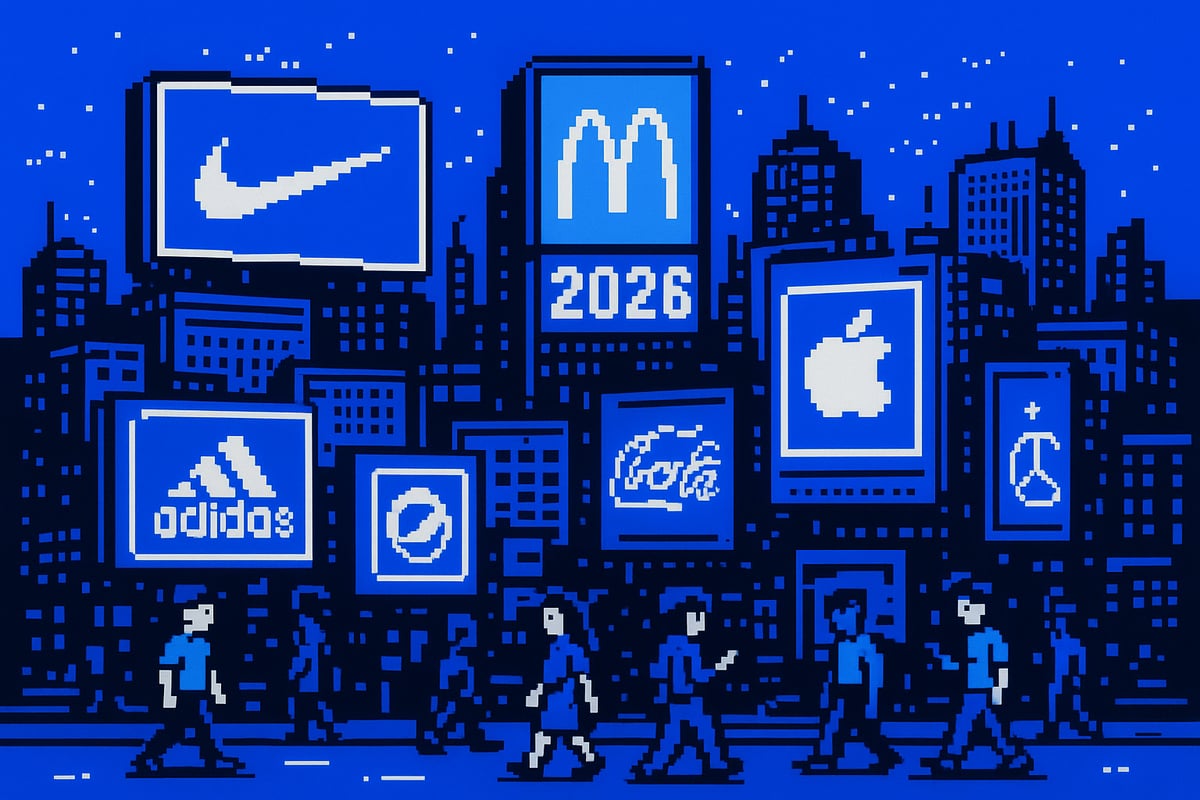
Consider iconic examples like Nike’s swoosh or Coca-Cola’s red branding. These symbols are instantly recognisable and evoke strong emotions. In 2026, 64% of consumers say they prefer brands that are socially responsible, even if it means paying more. Additionally, 70% value ads aligned with the content they’re viewing. These trends confirm that brand advertising must evolve to remain relevant and effective.
Brand Advertising vs Direct Response: Key Differences
Understanding the distinction between brand advertising and direct response is essential for any marketer. Brand advertising is a long-term strategy driven by emotion, aiming to shape perceptions and build loyalty. In contrast, direct response focuses on short-term actions, such as clicks or purchases, with measurable outcomes.
Here’s a quick comparison:
Aspect | Brand Advertising | Direct Response |
|---|---|---|
Timeframe | Long-term | Short-term |
Primary Goal | Awareness & Loyalty | Immediate Conversions |
Approach | Emotional, Perceptual | Action-Oriented |
Example | Apple’s Brand Loyalty | Product Launch Offers |
Both approaches have value. For instance, Apple leverages brand advertising to justify premium pricing, while using direct response for new product launches. The right mix depends on your business goals and market position.
The Role of Consistency and Authenticity
Consistency and authenticity are the backbone of successful brand advertising. Brands that maintain a unified message and visual identity across all platforms build stronger recognition and trust. In fact, 88% of consumers cite authenticity as a top factor in brand preference.
To build trust, brands should:
Ensure messaging and visuals are consistent everywhere
Share real-life stories that reflect genuine values
Avoid manufactured narratives that feel insincere
Relatable and authentic branding creates lasting connections. For a deeper dive into how trust and authenticity drive long-term loyalty, explore Building Trust Through Branding.
The Power of Storytelling: Creating Emotional Resonance
In 2026, storytelling remains the heartbeat of effective brand advertising. Brands are no longer just products or logos; they are living narratives that consumers want to connect with on a deeper level. Storytelling helps brands become memorable, fostering loyalty that endures beyond a single transaction.

Why Storytelling Drives Brand Success
Storytelling is the bridge that turns brand advertising into lasting relationships. When brands share stories that evoke emotion, they move from being commodities to trusted companions in consumers’ lives. Emotional narratives build trust, spark advocacy, and drive loyalty.
Campaigns like Dove’s “Real Beauty” and Nike’s “Just Do It” show how meaningful stories can define a brand for decades. In fact, 71% of consumers are more likely to recommend brands with which they feel an emotional connection. By weaving storytelling into brand advertising, companies create memorable moments that inspire action and foster long-term preference.
Strategic Steps for Effective Brand Storytelling
To unlock the full potential of brand advertising, brands should follow a clear roadmap for storytelling:
Define your unique brand voice and message.
Discover and highlight the core values that set your brand apart.
Prioritise authenticity, as genuine stories resonate far more than manufactured narratives.
Balance emotion with your brand identity to maintain credibility.
Treat storytelling as a continual journey, adapting as your audience evolves.
These steps transform brand advertising from simple messaging into a shared experience. Staying true to your values and audience ensures stories remain relevant and impactful over time.
Case Studies and Data
The impact of storytelling in brand advertising is proven by real-world results. Dove’s campaign saw sales rise from $2.5 billion to $4 billion over a decade, while Nike’s “Dream Crazy” added $6 billion to brand value and generated $163 million in media value. Trust is a powerful driver, with 46% of consumers willing to pay more for brands they trust.
For additional inspiration, explore Brand Storytelling Case Studies to see how effective storytelling strategies have elevated brands and created emotional resonance.
Data like this shows that when brand advertising is rooted in authentic storytelling, it not only captures attention but also delivers measurable business growth.
Visual Identity: Building Recognition Through Design
A strong visual identity is the cornerstone of successful brand advertising. In a digital world crowded with competitors, the right design choices make your brand instantly recognisable. Visual identity is not just about looking good, but about building trust and making a lasting impression.
The Critical Role of Visual Elements
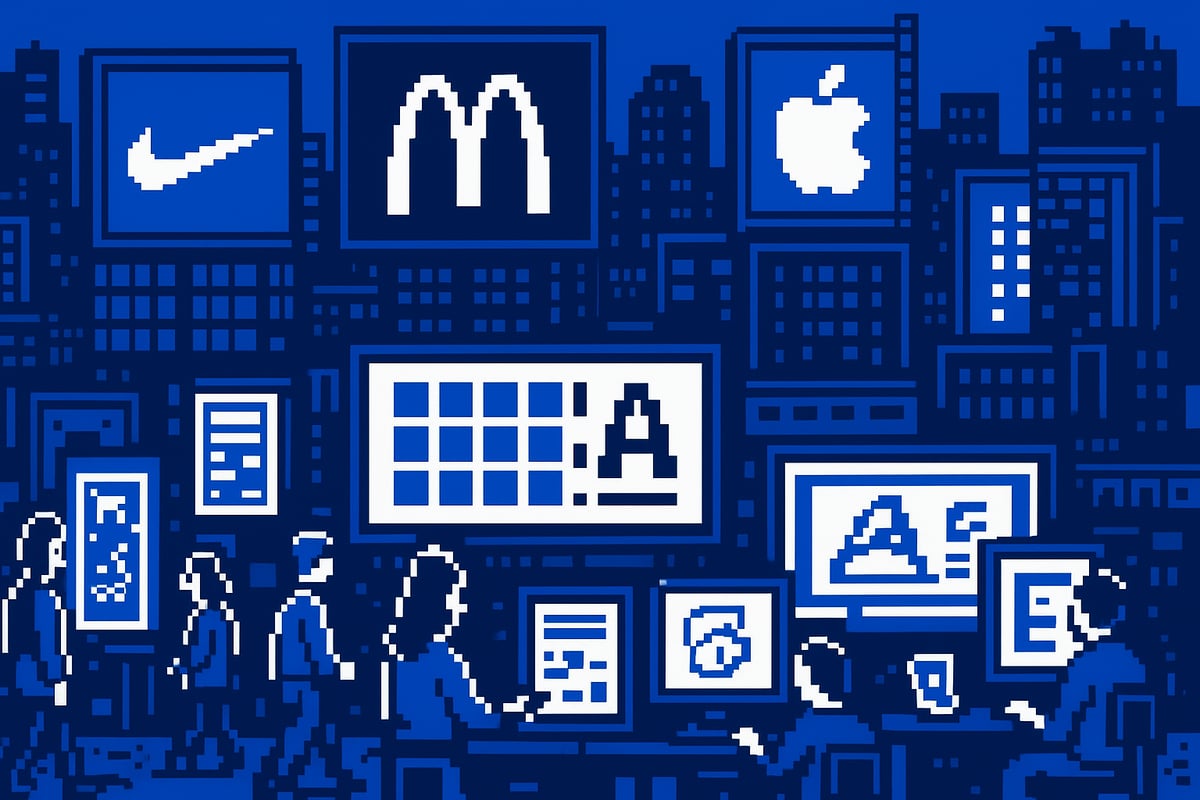
Every element of your brand advertising visual identity, from logos and colour palettes to typography, contributes to immediate recognition. A signature logo, like Apple’s minimalist apple or McDonald’s golden arches, becomes a symbol that consumers associate with quality and experience.
Consistency across all touchpoints is vital. When your colours, fonts, and imagery remain uniform, your audience quickly learns what to expect. This recognition fosters trust and loyalty, making your brand advertising efforts more effective.
Imagery should always reflect your brand values and resonate with your target audience. Airbnb, for example, uses authentic and relatable photos to promote community and belonging. However, only 30 percent of companies consistently apply their brand guidelines, risking confusion and diluted impact.
Developing a memorable brand identity is a strategic process. If you want to learn more about how to build a cohesive and effective visual identity, see Crafting a Memorable Brand Identity.
Impact of Visuals on Consumer Perception
Visuals are powerful tools in brand advertising, shaping how consumers feel and remember your brand. Striking design evokes emotion, enhances recall, and drives engagement across platforms.
Consider Old Spice’s “The Man Your Man Could Smell Like” campaign. By using bold, humorous visuals, the brand advertising approach revitalised Old Spice’s image and led to a 60 percent increase in sales. This demonstrates how creative visuals can differentiate a brand in a crowded market.
Visual content can boost conversion rates by up to 86 percent, highlighting the tangible impact of design on consumer behaviour. Visual storytelling, when aligned with your brand advertising strategy, helps your business stand out and encourages lasting connections.
A consistent, authentic visual identity makes your brand memorable and trustworthy. In 2026, investing in visual design is not optional, but essential for brand advertising success.
Multi-Channel Strategies for Maximum Brand Impact
In 2026, effective brand advertising demands a seamless presence across multiple platforms. Consumers no longer interact with brands in a linear fashion. Instead, their journey weaves between TV, social media, digital ads, audio, and out-of-home experiences. To achieve maximum impact, brands must create cohesive narratives that follow audiences wherever they go, ensuring every touchpoint reinforces their message.

The Importance of Omnichannel Presence
Omnichannel presence is now essential in brand advertising. Consumers expect brands to recognise and engage with them across every channel they use. When messaging is unified, it amplifies brand recognition and trust.
Successful campaigns, such as Coca-Cola’s “Open That Coca-Cola,” demonstrate how synchronising TV, online, radio, and social media can boost engagement rates by 166 percent. Consistency in brand advertising ensures audiences experience a familiar and reliable brand voice, no matter where they encounter it.
Cohesive experiences also drive top-of-mind awareness. Brands that maintain a steady presence across touchpoints become the ones consumers recall first when making decisions.
Selecting the Right Mix of Channels
Choosing the right channel mix is a strategic cornerstone of brand advertising. Start by identifying where your target audience spends their time. For example, younger consumers gravitate towards TikTok and Instagram, while professionals are more likely found on LinkedIn.
Tailor content for each platform but maintain a consistent brand identity. Use analytics to track which channels deliver the strongest results and optimise your spend accordingly. Successful brand advertising adapts to audience behaviour, ensuring every message lands with impact.
For brands seeking to unify their digital presence, Enhancing Your Digital Presence offers practical guidance on creating a seamless brand experience across platforms.
Leveraging Social Media for Brand Building
Social media is a powerful tool in brand advertising for building direct, real-time connections. Platforms like TikTok foster community, with 73 percent of users reporting a deeper bond with brands they interact with. Encourage user-generated content to build authenticity and trust.
Balance your approach. Alternate between promotional and non-promotional posts to keep audiences engaged. Use interactive content, polls, and stories to invite participation and create lasting relationships.
By weaving brand advertising strategies into every social interaction, brands transform followers into loyal advocates.
Advanced Brand Advertising Strategies for 2026
Staying ahead in brand advertising in 2026 means adopting advanced strategies that blend creativity, technology, and data. Brands must analyse competitors, embrace innovation, and measure impact with precision to secure a lasting edge.
Competitive Analysis and Market Positioning
Effective brand advertising begins with a deep understanding of the competitive landscape. Brands should examine competitors’ messaging, creative direction, and visual identities. Conducting a SWOT analysis is crucial for identifying opportunities and threats, which informs your positioning strategy.
A range of digital tools can streamline this process. Platforms like Semrush, Ahrefs, and SpyFu deliver valuable data on competitors’ ad spend, keywords, and campaign tactics. With this intelligence, brands can refine their brand advertising to highlight unique strengths and fill market gaps.
Tool | Key Feature | Benefit |
|---|---|---|
Semrush | Competitor research | Market insights |
Ahrefs | Keyword analysis | SEO opportunities |
SpyFu | Ad monitoring | Strategy refinement |
Innovative Campaigns and Technology Integration
The future of brand advertising is shaped by immersive technology and creative experimentation. Brands are leveraging AR and VR to deliver interactive experiences that foster emotional bonds. For example, L’Oreal’s “Virtual Makeup” app lets users try products virtually, while Nike’s “Reactland” VR campaign immerses audiences in the brand story.
Pilot innovative ideas on a small scale, gather feedback, then expand successful concepts. For more on emerging technologies and trends influencing brand advertising in 2026, see Online Advertising Trends 2026.
Interactive content and gamified experiences are also gaining traction, inviting consumers to engage more deeply with brands.
Data-Driven Optimisation and Predictive Analytics
Data is the backbone of effective brand advertising in today’s digital world. Brands can harness historical data and predictive analytics to anticipate consumer behaviour, refine creative assets, and optimise media placements.
Tools like Google Analytics and IBM Watson offer deep insights, enabling marketers to pivot strategies in real time. Ad intelligence platforms such as Adbeat and Pathmatics uncover trends and competitor moves, keeping your brand advertising agile and informed.
By relying on data, brands can personalise messaging, optimise ROI, and stay ahead of market shifts.
Measuring Brand Advertising Success
Quantifying the impact of brand advertising requires clear metrics and continuous monitoring. Key performance indicators include awareness, recognition, recall, sentiment, and engagement rates. Use brand lift studies, surveys, and sentiment analysis to capture audience perception.
A balanced approach combines quantitative and qualitative data for a holistic view. Regularly reviewing results enables brands to fine-tune campaigns for greater resonance and long-term growth. As the landscape evolves, only brands that measure and adapt will see lasting success in brand advertising.
Actionable Steps to Launch a High-Impact Brand Advertising Campaign
Launching a successful brand advertising campaign requires a meticulous, step-by-step approach. By following these actionable steps, you can ensure your brand advertising efforts are both impactful and measurable, driving lasting recognition and loyalty.
Step 1: Set Clear Objectives and KPIs
Begin every brand advertising campaign by defining precise objectives. Are you aiming to boost awareness, increase engagement, or drive loyalty? Pinpoint what success looks like and select KPIs such as reach, brand recognition, sentiment, and engagement rates.
For deeper clarity on strategic planning, refer to Clarity and Strategy for Brands. Setting clear benchmarks ensures your team stays aligned and focused on measurable outcomes.
Step 2: Understand Your Audience
Conduct thorough research to uncover your audience’s demographics, interests, and behaviours. Develop detailed buyer personas to guide every aspect of your brand advertising—from messaging to channel selection.
Knowing your audience allows for tailored campaigns that resonate and foster lasting connections.
Step 3: Craft Compelling Storytelling and Visual Identity
Develop a unique brand voice and narrative that reflects your core values. Combine this with a consistent visual identity, including logos, colours, and imagery, to reinforce recognition.
Effective brand advertising seamlessly integrates storytelling with design, creating a memorable experience that stands out in a crowded market.
Step 4: Select and Integrate the Right Channels
Map your audience’s journey and identify where they spend their time. Choose channels—social, digital, OOH, or audio—that align with your objectives.
Ensure your brand advertising message remains consistent across all platforms, adapting content format as needed for each channel.
Step 5: Leverage Technology and Innovation
Incorporate innovative tools such as AR, VR, and AI-driven personalisation to create immersive brand advertising experiences. Pilot new concepts in small segments before a full rollout.
Continuous experimentation keeps your brand advertising ahead of the curve and relevant to evolving consumer expectations.
Step 6: Launch, Measure, and Optimise
Roll out your campaign with clear timelines and defined responsibilities. Use analytics tools to monitor performance in real time. Track KPIs, analyse results, and refine your brand advertising strategy based on data insights.
For example, Spotify’s “Wrapped” campaign leverages data to personalise experiences and drive viral engagement.
Step 7: Foster Long-Term Engagement
Encourage user participation, feedback, and community-building initiatives. Sustained engagement ensures your brand advertising campaign delivers ongoing loyalty and advocacy.
Build an active community around your brand to maintain momentum and maximise long-term impact.
FAQs: Brand Advertising in 2026
Navigating brand advertising in 2026 means staying informed and adaptable. Below are answers to the most pressing questions marketers face:
What is the main difference between brand advertising and direct response advertising?
Brand advertising builds long-term recognition and loyalty, while direct response focuses on immediate actions and conversions.How do I choose the right channels for my brand campaign?
Identify where your audience spends time, align with your objectives, and test performance across platforms.What KPIs should I track for brand advertising?
Focus on metrics like brand awareness, recognition, sentiment, and engagement rates.How can storytelling and visuals be integrated for maximum impact?
Ensure your narrative and design elements are authentic and consistent across all channels.What are the latest innovations shaping brand advertising in 2026?
Explore AI, AR, and community-centric strategies as discussed in Marketing & Advertising Trends in 2026.How important is authenticity in brand advertising?
Authenticity is crucial, as consumers favour brands that are genuine and transparent.Can small businesses benefit from advanced brand advertising strategies?
Yes, scalable tools and creative approaches make sophisticated strategies accessible to all.
After exploring the essentials of brand advertising in 2026—from building emotional connections to crafting a strong visual identity and leveraging innovative technologies—you might be wondering how to put these strategies into action for your own business. Whether you’re just starting out or looking to elevate your brand presence, having a tailored plan makes a world of difference. If you’d like personal guidance on shaping your business strategy, refining your branding, or navigating the latest advertising innovations, I invite you to Book a free consultation. Let’s work together to set your brand up for lasting impact.
In 2026, brand advertising is no longer just about getting noticed. It is about building emotional connections that inspire loyalty and drive long-term business growth. Brands must do more than stand out—they need to resonate on a personal level.
This guide explores the most effective brand advertising strategies for 2026. You will discover evolving fundamentals, the science behind storytelling and visuals, multi-channel tactics, and the latest innovations. Ready to future-proof your advertising efforts? Dive in to unlock actionable steps and proven approaches designed to make your brand thrive in a competitive digital landscape.
The Foundations of Brand Advertising in 2026
Brand advertising in 2026 is evolving rapidly, reflecting shifts in consumer values and the crowded digital marketplace. Brands are moving beyond mere visibility, focusing on creating emotional connections that last. With digital ad spend set to reach $836 billion by 2026, competition for attention is at an all-time high. To succeed, brands must understand the fundamentals that drive recognition, loyalty, and trust.
Defining Brand Advertising in the Modern Era
Brand advertising is more than just promoting products. It’s about building a long-term emotional bond with audiences. Unlike campaigns focused solely on immediate sales, brand advertising aims to boost brand recognition, nurture loyalty, and establish credibility over time.
Key objectives include:
Raising awareness and recall among target audiences
Fostering trust and loyalty through consistent messaging
Positioning the brand as an industry leader
Consider iconic examples like Nike’s swoosh or Coca-Cola’s red branding. These symbols are instantly recognisable and evoke strong emotions. In 2026, 64% of consumers say they prefer brands that are socially responsible, even if it means paying more. Additionally, 70% value ads aligned with the content they’re viewing. These trends confirm that brand advertising must evolve to remain relevant and effective.
Brand Advertising vs Direct Response: Key Differences
Understanding the distinction between brand advertising and direct response is essential for any marketer. Brand advertising is a long-term strategy driven by emotion, aiming to shape perceptions and build loyalty. In contrast, direct response focuses on short-term actions, such as clicks or purchases, with measurable outcomes.
Here’s a quick comparison:
Aspect | Brand Advertising | Direct Response |
|---|---|---|
Timeframe | Long-term | Short-term |
Primary Goal | Awareness & Loyalty | Immediate Conversions |
Approach | Emotional, Perceptual | Action-Oriented |
Example | Apple’s Brand Loyalty | Product Launch Offers |
Both approaches have value. For instance, Apple leverages brand advertising to justify premium pricing, while using direct response for new product launches. The right mix depends on your business goals and market position.
The Role of Consistency and Authenticity
Consistency and authenticity are the backbone of successful brand advertising. Brands that maintain a unified message and visual identity across all platforms build stronger recognition and trust. In fact, 88% of consumers cite authenticity as a top factor in brand preference.
To build trust, brands should:
Ensure messaging and visuals are consistent everywhere
Share real-life stories that reflect genuine values
Avoid manufactured narratives that feel insincere
Relatable and authentic branding creates lasting connections. For a deeper dive into how trust and authenticity drive long-term loyalty, explore Building Trust Through Branding.
The Power of Storytelling: Creating Emotional Resonance
In 2026, storytelling remains the heartbeat of effective brand advertising. Brands are no longer just products or logos; they are living narratives that consumers want to connect with on a deeper level. Storytelling helps brands become memorable, fostering loyalty that endures beyond a single transaction.
Why Storytelling Drives Brand Success
Storytelling is the bridge that turns brand advertising into lasting relationships. When brands share stories that evoke emotion, they move from being commodities to trusted companions in consumers’ lives. Emotional narratives build trust, spark advocacy, and drive loyalty.
Campaigns like Dove’s “Real Beauty” and Nike’s “Just Do It” show how meaningful stories can define a brand for decades. In fact, 71% of consumers are more likely to recommend brands with which they feel an emotional connection. By weaving storytelling into brand advertising, companies create memorable moments that inspire action and foster long-term preference.
Strategic Steps for Effective Brand Storytelling
To unlock the full potential of brand advertising, brands should follow a clear roadmap for storytelling:
Define your unique brand voice and message.
Discover and highlight the core values that set your brand apart.
Prioritise authenticity, as genuine stories resonate far more than manufactured narratives.
Balance emotion with your brand identity to maintain credibility.
Treat storytelling as a continual journey, adapting as your audience evolves.
These steps transform brand advertising from simple messaging into a shared experience. Staying true to your values and audience ensures stories remain relevant and impactful over time.
Case Studies and Data
The impact of storytelling in brand advertising is proven by real-world results. Dove’s campaign saw sales rise from $2.5 billion to $4 billion over a decade, while Nike’s “Dream Crazy” added $6 billion to brand value and generated $163 million in media value. Trust is a powerful driver, with 46% of consumers willing to pay more for brands they trust.
For additional inspiration, explore Brand Storytelling Case Studies to see how effective storytelling strategies have elevated brands and created emotional resonance.
Data like this shows that when brand advertising is rooted in authentic storytelling, it not only captures attention but also delivers measurable business growth.
Visual Identity: Building Recognition Through Design
A strong visual identity is the cornerstone of successful brand advertising. In a digital world crowded with competitors, the right design choices make your brand instantly recognisable. Visual identity is not just about looking good, but about building trust and making a lasting impression.
The Critical Role of Visual Elements
Every element of your brand advertising visual identity, from logos and colour palettes to typography, contributes to immediate recognition. A signature logo, like Apple’s minimalist apple or McDonald’s golden arches, becomes a symbol that consumers associate with quality and experience.
Consistency across all touchpoints is vital. When your colours, fonts, and imagery remain uniform, your audience quickly learns what to expect. This recognition fosters trust and loyalty, making your brand advertising efforts more effective.
Imagery should always reflect your brand values and resonate with your target audience. Airbnb, for example, uses authentic and relatable photos to promote community and belonging. However, only 30 percent of companies consistently apply their brand guidelines, risking confusion and diluted impact.
Developing a memorable brand identity is a strategic process. If you want to learn more about how to build a cohesive and effective visual identity, see Crafting a Memorable Brand Identity.
Impact of Visuals on Consumer Perception
Visuals are powerful tools in brand advertising, shaping how consumers feel and remember your brand. Striking design evokes emotion, enhances recall, and drives engagement across platforms.
Consider Old Spice’s “The Man Your Man Could Smell Like” campaign. By using bold, humorous visuals, the brand advertising approach revitalised Old Spice’s image and led to a 60 percent increase in sales. This demonstrates how creative visuals can differentiate a brand in a crowded market.
Visual content can boost conversion rates by up to 86 percent, highlighting the tangible impact of design on consumer behaviour. Visual storytelling, when aligned with your brand advertising strategy, helps your business stand out and encourages lasting connections.
A consistent, authentic visual identity makes your brand memorable and trustworthy. In 2026, investing in visual design is not optional, but essential for brand advertising success.
Multi-Channel Strategies for Maximum Brand Impact
In 2026, effective brand advertising demands a seamless presence across multiple platforms. Consumers no longer interact with brands in a linear fashion. Instead, their journey weaves between TV, social media, digital ads, audio, and out-of-home experiences. To achieve maximum impact, brands must create cohesive narratives that follow audiences wherever they go, ensuring every touchpoint reinforces their message.
The Importance of Omnichannel Presence
Omnichannel presence is now essential in brand advertising. Consumers expect brands to recognise and engage with them across every channel they use. When messaging is unified, it amplifies brand recognition and trust.
Successful campaigns, such as Coca-Cola’s “Open That Coca-Cola,” demonstrate how synchronising TV, online, radio, and social media can boost engagement rates by 166 percent. Consistency in brand advertising ensures audiences experience a familiar and reliable brand voice, no matter where they encounter it.
Cohesive experiences also drive top-of-mind awareness. Brands that maintain a steady presence across touchpoints become the ones consumers recall first when making decisions.
Selecting the Right Mix of Channels
Choosing the right channel mix is a strategic cornerstone of brand advertising. Start by identifying where your target audience spends their time. For example, younger consumers gravitate towards TikTok and Instagram, while professionals are more likely found on LinkedIn.
Tailor content for each platform but maintain a consistent brand identity. Use analytics to track which channels deliver the strongest results and optimise your spend accordingly. Successful brand advertising adapts to audience behaviour, ensuring every message lands with impact.
For brands seeking to unify their digital presence, Enhancing Your Digital Presence offers practical guidance on creating a seamless brand experience across platforms.
Leveraging Social Media for Brand Building
Social media is a powerful tool in brand advertising for building direct, real-time connections. Platforms like TikTok foster community, with 73 percent of users reporting a deeper bond with brands they interact with. Encourage user-generated content to build authenticity and trust.
Balance your approach. Alternate between promotional and non-promotional posts to keep audiences engaged. Use interactive content, polls, and stories to invite participation and create lasting relationships.
By weaving brand advertising strategies into every social interaction, brands transform followers into loyal advocates.
Advanced Brand Advertising Strategies for 2026
Staying ahead in brand advertising in 2026 means adopting advanced strategies that blend creativity, technology, and data. Brands must analyse competitors, embrace innovation, and measure impact with precision to secure a lasting edge.
Competitive Analysis and Market Positioning
Effective brand advertising begins with a deep understanding of the competitive landscape. Brands should examine competitors’ messaging, creative direction, and visual identities. Conducting a SWOT analysis is crucial for identifying opportunities and threats, which informs your positioning strategy.
A range of digital tools can streamline this process. Platforms like Semrush, Ahrefs, and SpyFu deliver valuable data on competitors’ ad spend, keywords, and campaign tactics. With this intelligence, brands can refine their brand advertising to highlight unique strengths and fill market gaps.
Tool | Key Feature | Benefit |
|---|---|---|
Semrush | Competitor research | Market insights |
Ahrefs | Keyword analysis | SEO opportunities |
SpyFu | Ad monitoring | Strategy refinement |
Innovative Campaigns and Technology Integration
The future of brand advertising is shaped by immersive technology and creative experimentation. Brands are leveraging AR and VR to deliver interactive experiences that foster emotional bonds. For example, L’Oreal’s “Virtual Makeup” app lets users try products virtually, while Nike’s “Reactland” VR campaign immerses audiences in the brand story.
Pilot innovative ideas on a small scale, gather feedback, then expand successful concepts. For more on emerging technologies and trends influencing brand advertising in 2026, see Online Advertising Trends 2026.
Interactive content and gamified experiences are also gaining traction, inviting consumers to engage more deeply with brands.
Data-Driven Optimisation and Predictive Analytics
Data is the backbone of effective brand advertising in today’s digital world. Brands can harness historical data and predictive analytics to anticipate consumer behaviour, refine creative assets, and optimise media placements.
Tools like Google Analytics and IBM Watson offer deep insights, enabling marketers to pivot strategies in real time. Ad intelligence platforms such as Adbeat and Pathmatics uncover trends and competitor moves, keeping your brand advertising agile and informed.
By relying on data, brands can personalise messaging, optimise ROI, and stay ahead of market shifts.
Measuring Brand Advertising Success
Quantifying the impact of brand advertising requires clear metrics and continuous monitoring. Key performance indicators include awareness, recognition, recall, sentiment, and engagement rates. Use brand lift studies, surveys, and sentiment analysis to capture audience perception.
A balanced approach combines quantitative and qualitative data for a holistic view. Regularly reviewing results enables brands to fine-tune campaigns for greater resonance and long-term growth. As the landscape evolves, only brands that measure and adapt will see lasting success in brand advertising.
Actionable Steps to Launch a High-Impact Brand Advertising Campaign
Launching a successful brand advertising campaign requires a meticulous, step-by-step approach. By following these actionable steps, you can ensure your brand advertising efforts are both impactful and measurable, driving lasting recognition and loyalty.
Step 1: Set Clear Objectives and KPIs
Begin every brand advertising campaign by defining precise objectives. Are you aiming to boost awareness, increase engagement, or drive loyalty? Pinpoint what success looks like and select KPIs such as reach, brand recognition, sentiment, and engagement rates.
For deeper clarity on strategic planning, refer to Clarity and Strategy for Brands. Setting clear benchmarks ensures your team stays aligned and focused on measurable outcomes.
Step 2: Understand Your Audience
Conduct thorough research to uncover your audience’s demographics, interests, and behaviours. Develop detailed buyer personas to guide every aspect of your brand advertising—from messaging to channel selection.
Knowing your audience allows for tailored campaigns that resonate and foster lasting connections.
Step 3: Craft Compelling Storytelling and Visual Identity
Develop a unique brand voice and narrative that reflects your core values. Combine this with a consistent visual identity, including logos, colours, and imagery, to reinforce recognition.
Effective brand advertising seamlessly integrates storytelling with design, creating a memorable experience that stands out in a crowded market.
Step 4: Select and Integrate the Right Channels
Map your audience’s journey and identify where they spend their time. Choose channels—social, digital, OOH, or audio—that align with your objectives.
Ensure your brand advertising message remains consistent across all platforms, adapting content format as needed for each channel.
Step 5: Leverage Technology and Innovation
Incorporate innovative tools such as AR, VR, and AI-driven personalisation to create immersive brand advertising experiences. Pilot new concepts in small segments before a full rollout.
Continuous experimentation keeps your brand advertising ahead of the curve and relevant to evolving consumer expectations.
Step 6: Launch, Measure, and Optimise
Roll out your campaign with clear timelines and defined responsibilities. Use analytics tools to monitor performance in real time. Track KPIs, analyse results, and refine your brand advertising strategy based on data insights.
For example, Spotify’s “Wrapped” campaign leverages data to personalise experiences and drive viral engagement.
Step 7: Foster Long-Term Engagement
Encourage user participation, feedback, and community-building initiatives. Sustained engagement ensures your brand advertising campaign delivers ongoing loyalty and advocacy.
Build an active community around your brand to maintain momentum and maximise long-term impact.
FAQs: Brand Advertising in 2026
Navigating brand advertising in 2026 means staying informed and adaptable. Below are answers to the most pressing questions marketers face:
What is the main difference between brand advertising and direct response advertising?
Brand advertising builds long-term recognition and loyalty, while direct response focuses on immediate actions and conversions.How do I choose the right channels for my brand campaign?
Identify where your audience spends time, align with your objectives, and test performance across platforms.What KPIs should I track for brand advertising?
Focus on metrics like brand awareness, recognition, sentiment, and engagement rates.How can storytelling and visuals be integrated for maximum impact?
Ensure your narrative and design elements are authentic and consistent across all channels.What are the latest innovations shaping brand advertising in 2026?
Explore AI, AR, and community-centric strategies as discussed in Marketing & Advertising Trends in 2026.How important is authenticity in brand advertising?
Authenticity is crucial, as consumers favour brands that are genuine and transparent.Can small businesses benefit from advanced brand advertising strategies?
Yes, scalable tools and creative approaches make sophisticated strategies accessible to all.
After exploring the essentials of brand advertising in 2026—from building emotional connections to crafting a strong visual identity and leveraging innovative technologies—you might be wondering how to put these strategies into action for your own business. Whether you’re just starting out or looking to elevate your brand presence, having a tailored plan makes a world of difference. If you’d like personal guidance on shaping your business strategy, refining your branding, or navigating the latest advertising innovations, I invite you to Book a free consultation. Let’s work together to set your brand up for lasting impact.