Starting a Restaurant Guide: Essential Steps for 2026 Success
Starting a Restaurant Guide: Essential Steps for 2026 Success
Starting a Restaurant Guide: Essential Steps for 2026 Success
Dec 15, 2025
Dreaming of starting a restaurant in 2026? You are in good company. Australia’s booming food industry saw foodservice spending top $50 billion in 2023, making it one of the most exciting sectors for entrepreneurs.
This guide delivers a practical, expert-backed approach to starting a restaurant, breaking down every step from concept and market research to financial planning, legal compliance, venue design, team building, technology, marketing, and operational excellence. Avoid common pitfalls and set your business up for long-term success with a clear, actionable roadmap. Ready to turn your restaurant dream into reality? Let’s get started.
Step 1: Develop Your Restaurant Concept and Market Fit
Embarking on starting a restaurant means beginning with a strong foundation. This initial step sets the stage for every decision that follows, from branding to menu development. Let’s break down how to develop a concept that stands out in Australia’s vibrant dining landscape.

Define Your Unique Vision and Target Audience
The first step in starting a restaurant is to clarify your vision. Decide on your cuisine, service style, and the overall vibe you want to create. Are you envisioning a fast casual eatery, a fine dining experience, or perhaps a themed pop-up? Next, identify your target audience. Consider their age, lifestyle, dining preferences, and spending habits.
Articulating your unique selling proposition is essential. What makes your venue different? For instance, a Korean-Australian fusion bistro aimed at urban millennials offers something unique in both flavour and experience. If you want to dive deeper into how a strong brand identity drives business success, explore purposeful branding for startups. Remember, a clear and distinctive concept is the cornerstone for all future decisions when starting a restaurant.
Conduct Market Research & Validate Demand
Before fully committing to starting a restaurant, thorough market research is vital. Visit 5 to 10 local competitors to analyse their menus, pricing, and busiest times. Use mystery dining to experience their service firsthand and identify gaps or strengths. Testing your idea through pop-ups, food trucks, or delivery pilots allows you to gauge real demand without heavy investment.
Review industry data to understand spending patterns. For example, Australia’s foodservice industry exceeded 50 billion dollars in 2023, showing strong growth potential. Validating your concept at this stage helps reduce risk and guides necessary adjustments, ensuring your starting a restaurant journey is on the right track.
Create a Detailed Business Plan
A robust business plan is a must when starting a restaurant. Outline your vision, mission, and long-term goals. Include a SWOT analysis to identify your strengths, weaknesses, opportunities, and threats. Set clear KPIs such as daily sales targets, food cost percentages, and table turnover rates.
Weekly cash flow projections and monthly revenue benchmarks provide financial clarity. For example, setting a target for table turns per night helps measure efficiency. A comprehensive business plan not only attracts partners and investors but also ensures your team understands the roadmap for starting a restaurant successfully.
Step 2: Secure Funding and Build a Financial Plan
Securing the right funding and building a robust financial plan are non-negotiable steps when starting a restaurant. Careful budgeting, strategic investment, and close monitoring of financial health will set the foundation for long-term success.

Estimate Startup and Operating Costs
When starting a restaurant, it is vital to map out every initial and ongoing expense. Begin with upfront costs such as lease deposits, renovations, kitchen fit-out, point-of-sale systems, and licenses. Do not overlook monthly operating costs, including rent, staff wages, food and beverage inventory, utilities, and insurance.
A well-prepared budget should include a cash reserve covering three to six months' expenses, which helps buffer against unexpected downturns. For example, equipment and fit-out costs for a 60-seat venue can easily exceed $150,000. Given the scale of industry growth, with Australia's Restaurant Industry Market Size in 2025 projected to continue rising, understanding your financial requirements is more important than ever.
Lack of cash is the number one reason for small business failure, so plan conservatively and update your estimates frequently.
Explore Funding Sources and Financing Options
Funding is a critical pillar when starting a restaurant. Explore all available avenues, such as personal savings, business partners, bank loans, private investors, or equipment leasing. Each option has its pros and cons, particularly when it comes to control, risk, and repayment terms.
Government grants or hospitality business incentives may also be available, so investigate what you may qualify for before committing to a funding path. Equipment financing, for instance, can significantly reduce upfront costs and smooth out cash flow over time.
Match your funding structure to your own risk tolerance and business objectives. This careful alignment will help ensure your restaurant launches on a stable financial footing.
Set Financial Targets and Monitor Key Metrics
Establishing clear financial targets is essential for starting a restaurant with confidence. Set your break-even sales per day and per week, and track important ratios such as food cost percentage, labour cost percentage, and average spend per customer.
Monitor cash flow closely, keeping an eye on inventory turnover and the return on your marketing investments. Use accounting software to gain real-time oversight of your financial position and adjust your approach as needed.
Regular review of these metrics enables you to make informed decisions, adapt quickly, and maintain the long-term viability of your business.
Step 3: Navigate Legal, Regulatory, and Compliance Requirements
Navigating legal, regulatory, and compliance requirements is a critical step when starting a restaurant. Overlooking these essentials can delay your opening or even threaten your business. By tackling these obligations early, you set a solid foundation for sustainable operations and peace of mind.

Obtain Licences, Permits, and Insurance
When starting a restaurant, securing the right licences and permits is your first legal priority. You will need a food business licence from your local council, and if you plan to serve alcohol, a liquor licence is mandatory. Do not forget other approvals like signage and live music permits if relevant to your concept.
Register your business for an ABN, TFN, and GST as required. Comprehensive insurance is essential—public liability, workers’ compensation, and property cover should all be in place. For example, liquor licences may take months, so apply early in your planning. Failing to secure these essentials can halt your operations or result in steep fines, making compliance a non-negotiable part of starting a restaurant.
Meet Health, Safety, and Food Standards
Strict health and safety protocols are a cornerstone of starting a restaurant in Australia. Compliance with HACCP principles and your local council’s food safety regulations is mandatory. Train all staff in proper food handling procedures and keep accurate temperature and cleaning logs.
Set up regular pest control measures and efficient waste disposal systems to prevent breaches. Industry data shows over 70 percent of food safety failures stem from poor staff training, highlighting the need for ongoing education. Consistent compliance not only meets legal obligations but also builds customer trust and protects your brand as you progress in starting a restaurant.
Understand Employment Law and Staff Obligations
Employment law is another crucial element when starting a restaurant. Ensure you comply with minimum wage requirements, superannuation, and workplace safety standards. Draft clear employment contracts, implement thorough onboarding, and manage fair rostering to support your team.
Stay updated with Fair Work Australia changes, and remember to budget for penalty rates on weekends and public holidays. Adhering to these regulations protects your business from costly disputes and fosters a positive workplace culture. Legal compliance is not just a box-tick—it is vital for long-term success when starting a restaurant.
Step 4: Location Selection, Venue Design, and Fit-Out
Choosing the right space can make or break your journey when starting a restaurant. Your venue’s location, design, and fit-out will determine how customers experience your brand from day one. Let’s explore the essential steps to ensure your restaurant stands out and operates efficiently.
Choose the Right Location and Negotiate Your Lease
Location is a critical factor when starting a restaurant. Begin by analysing your target market’s habits and preferred dining spots. Evaluate foot traffic, visibility, parking availability, and proximity to complementary businesses.
When inspecting potential sites, consider zoning regulations and local competition. Review lease terms carefully, focusing on rent percentages, escalation clauses, and fit-out periods. Ideally, rent should remain within 10 to 15 percent of your projected revenue to maintain profitability.
Work with a real estate broker or hospitality lawyer to negotiate favourable terms. Securing the right location from the outset supports long-term growth and reduces costly mistakes when starting a restaurant.
Design for Ambience, Efficiency, and Brand Alignment
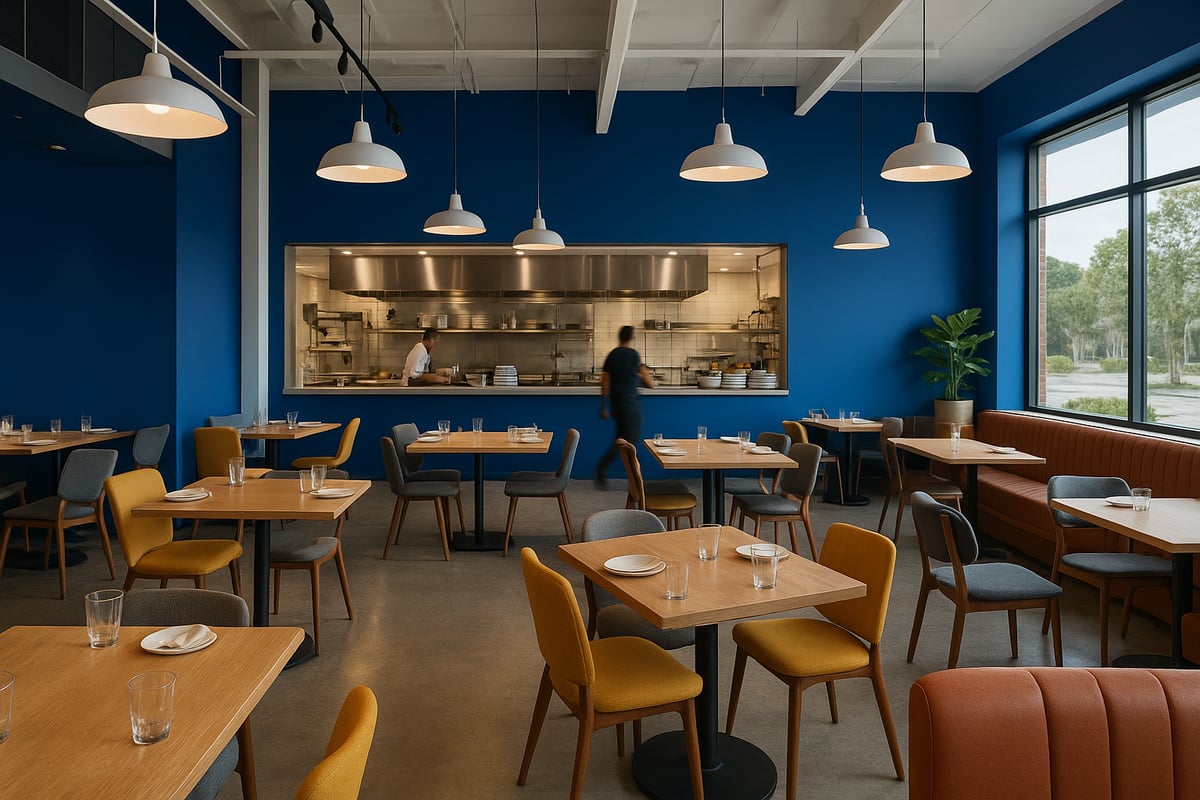
The design of your venue should reflect your concept and enhance the customer experience. Plan your layout for efficient kitchen, bar, and dining flows. Choose decor, lighting, and furniture that reinforce your brand identity and create a welcoming atmosphere.
Stay current with trends like sustainability and experiential dining, which are increasingly important for those starting a restaurant. For inspiration and practical guidance, explore the 2025 Food and Hospitality Trends in Australia to align your fit-out with evolving customer expectations.
A well-designed space maximises both operational efficiency and customer satisfaction, setting the stage for repeat business.
Source Equipment, Fixtures, and Technology
Selecting the right equipment is essential when starting a restaurant. Start with a list of must-haves: kitchen appliances, refrigeration, POS systems, and storage solutions. Compare the benefits of new versus certified used equipment to manage upfront costs.
Integrate technology such as cloud-based POS, inventory management, and online ordering platforms to streamline daily operations. Creative solutions, like multi-use fixtures or outdoor seating, can help you make the most of your space and budget.
Choosing reliable tools and technology ensures your restaurant runs smoothly and is ready to scale as your business grows.
Step 5: Build Your Team and Operational Systems
Building a strong team and robust operational systems is at the core of starting a restaurant that thrives beyond opening night. The right staff and processes ensure consistency, quality, and a memorable experience for every guest. Let us break down how to bring your vision to life through people, procedures, and smart technology.
Recruit, Train, and Retain the Right Staff
When starting a restaurant, your people are your most valuable asset. Define critical roles such as head chef, kitchen team, front-of-house manager, servers, baristas, and dishwashers. Look for candidates who bring not only experience but also a passion for hospitality and alignment with your values.
Invest in comprehensive onboarding and ongoing training programs. Cross-train staff to fill multiple roles, which helps you manage labour costs and ensures smooth service even during staff shortages. High turnover can quickly erode morale and profits, so foster a positive culture through fair rostering, open communication, and staff recognition.
A well-trained, motivated team is essential for delivering consistent quality and building lasting customer loyalty.
Develop Standard Operating Procedures (SOPs)
Standardisation is vital when starting a restaurant. Document step-by-step SOPs for every aspect of operations, from opening and closing routines to food preparation, cleaning, and cash handling. Use detailed checklists to ensure nothing is missed and quality is maintained across all shifts.
Standardise recipes, portion sizes, and plating instructions to deliver a consistent dining experience. Implement inventory control measures and supplier guidelines to prevent stockouts or waste. Regularly review and update SOPs based on feedback and operational results.
Clear, accessible procedures not only protect your business from compliance risks but also empower staff to work efficiently and confidently.
Implement Technology for Efficiency and Growth
Embracing technology is a smart move when starting a restaurant, as it streamlines operations and supports growth. Integrate a point of sale (POS) system with accounting and payroll software for seamless financial management. Scheduling tools reduce overtime and make rostering easier.
Enable digital reservations, waitlists, and customer feedback platforms to enhance guest experience. Online ordering systems can boost average spend and improve order accuracy. Automation frees up your team to focus on hospitality and innovation.
The right digital solutions lay a strong foundation, making your restaurant more adaptable and prepared for future expansion.
Step 6: Launch Marketing, Branding, and Customer Acquisition
Launching your brand is where starting a restaurant moves from concept to customer reality. To stand out in a crowded market, you must craft a compelling identity, leverage digital tools, and proactively manage your reputation from day one.
Build a Strong Brand Identity and Online Presence
A memorable brand is crucial when starting a restaurant. Begin by designing a unique logo, choosing a consistent colour palette, and creating a brand story that connects with your audience. Ensure every touchpoint, from menus to uniforms, reflects your restaurant’s personality.
A professional, mobile-friendly website with your menu, booking options, and contact details is essential. Claim your Google Business Profile and update it with accurate photos and hours. For more on the importance of consistency, see Building a strong brand identity.
A strong digital presence will help your restaurant get discovered and trusted by new guests.
Execute Strategic Marketing and Promotion
Effective marketing is vital when starting a restaurant. Organise soft launches or tasting events to generate buzz and gather feedback. Utilise social media platforms to share behind-the-scenes content, chef spotlights, and menu previews.
Collaborate with local influencers or businesses to expand your reach. Launch loyalty programs or limited-time offers to encourage repeat visits. Remember, ongoing marketing efforts drive awareness and loyalty, so plan regular campaigns and measure their impact.
A proactive approach ensures your restaurant stays top of mind in your community.
Manage Reputation and Encourage Customer Feedback
Your reputation is a key asset when starting a restaurant. Monitor review sites like Google and TripAdvisor, and respond promptly to both positive and negative feedback. Encourage happy guests to leave reviews by making it easy at the table or via follow-up emails.
Train staff to handle complaints with professionalism and empathy. Consistently high ratings can boost your visibility and attract more diners. Treat feedback as an opportunity for improvement and show customers their opinions matter.
A well-managed reputation builds trust and long-term success for your restaurant.
Step 7: Monitor Performance, Adapt, and Scale for Long-Term Success
After starting a restaurant, long-term success depends on constant vigilance and adaptability. Each decision should be grounded in data, customer feedback, and a clear vision for growth.
Track Key Metrics and Operational KPIs
Once you are starting a restaurant, tracking key performance indicators (KPIs) becomes vital. Daily sales, cover counts, and average spend per guest are just the beginning.
Monitor food cost percentage and labour cost percentage closely.
Review weekly and monthly profit and loss statements.
Compare actual figures to your budget and forecasts.
Use digital tools to generate real-time reports. Analysing this data helps you spot trends, identify underperforming menu items, and adjust promotions or pricing. Data-driven decisions will set your restaurant apart and support sustainable growth.
Refine Operations and Enhance Customer Experience
For anyone starting a restaurant, operational excellence and customer satisfaction must go hand in hand. Gather regular feedback from your team and guests.
Hold brief staff meetings to discuss service improvements.
Use customer surveys and online reviews to identify areas for enhancement.
Experiment with new menu items or service styles based on demand.
Seasonal menu updates or unique events can attract new diners and keep regulars engaged. By continuously refining processes, you ensure your restaurant stays competitive and relevant in a changing market.
Plan for Scaling and Risk Management
If you are starting a restaurant with ambitions to grow, early planning for risk and scalability is essential. Develop contingency plans for supply disruptions or staff shortages. Standardise systems and document procedures for easier expansion.
Evaluate multi-site opportunities or franchise models.
Consider catering, delivery, or events as additional revenue streams.
Stay up to date with industry innovations and trends.
Research from the 2025 Australia Restaurant Industry Trends Report highlights the importance of tech integration and personalised experiences for future growth. Planning for these factors now will position your restaurant for long-term success.
You’ve just explored the essential steps for starting a successful restaurant in 2026, from nailing your unique concept and business plan right through to building your brand and scaling for growth. If you’re ready to take the next step and want expert support with everything from business planning to branding, systems, and automation, I’m here to help you turn your vision into reality. Let’s chat about your goals, answer your questions, and map out a clear action plan tailored to your journey. Book a free consultation and get started on building your dream restaurant with confidence.
Article written using RankPill.
Dreaming of starting a restaurant in 2026? You are in good company. Australia’s booming food industry saw foodservice spending top $50 billion in 2023, making it one of the most exciting sectors for entrepreneurs.
This guide delivers a practical, expert-backed approach to starting a restaurant, breaking down every step from concept and market research to financial planning, legal compliance, venue design, team building, technology, marketing, and operational excellence. Avoid common pitfalls and set your business up for long-term success with a clear, actionable roadmap. Ready to turn your restaurant dream into reality? Let’s get started.
Step 1: Develop Your Restaurant Concept and Market Fit
Embarking on starting a restaurant means beginning with a strong foundation. This initial step sets the stage for every decision that follows, from branding to menu development. Let’s break down how to develop a concept that stands out in Australia’s vibrant dining landscape.
Define Your Unique Vision and Target Audience
The first step in starting a restaurant is to clarify your vision. Decide on your cuisine, service style, and the overall vibe you want to create. Are you envisioning a fast casual eatery, a fine dining experience, or perhaps a themed pop-up? Next, identify your target audience. Consider their age, lifestyle, dining preferences, and spending habits.
Articulating your unique selling proposition is essential. What makes your venue different? For instance, a Korean-Australian fusion bistro aimed at urban millennials offers something unique in both flavour and experience. If you want to dive deeper into how a strong brand identity drives business success, explore purposeful branding for startups. Remember, a clear and distinctive concept is the cornerstone for all future decisions when starting a restaurant.
Conduct Market Research & Validate Demand
Before fully committing to starting a restaurant, thorough market research is vital. Visit 5 to 10 local competitors to analyse their menus, pricing, and busiest times. Use mystery dining to experience their service firsthand and identify gaps or strengths. Testing your idea through pop-ups, food trucks, or delivery pilots allows you to gauge real demand without heavy investment.
Review industry data to understand spending patterns. For example, Australia’s foodservice industry exceeded 50 billion dollars in 2023, showing strong growth potential. Validating your concept at this stage helps reduce risk and guides necessary adjustments, ensuring your starting a restaurant journey is on the right track.
Create a Detailed Business Plan
A robust business plan is a must when starting a restaurant. Outline your vision, mission, and long-term goals. Include a SWOT analysis to identify your strengths, weaknesses, opportunities, and threats. Set clear KPIs such as daily sales targets, food cost percentages, and table turnover rates.
Weekly cash flow projections and monthly revenue benchmarks provide financial clarity. For example, setting a target for table turns per night helps measure efficiency. A comprehensive business plan not only attracts partners and investors but also ensures your team understands the roadmap for starting a restaurant successfully.
Step 2: Secure Funding and Build a Financial Plan
Securing the right funding and building a robust financial plan are non-negotiable steps when starting a restaurant. Careful budgeting, strategic investment, and close monitoring of financial health will set the foundation for long-term success.
Estimate Startup and Operating Costs
When starting a restaurant, it is vital to map out every initial and ongoing expense. Begin with upfront costs such as lease deposits, renovations, kitchen fit-out, point-of-sale systems, and licenses. Do not overlook monthly operating costs, including rent, staff wages, food and beverage inventory, utilities, and insurance.
A well-prepared budget should include a cash reserve covering three to six months' expenses, which helps buffer against unexpected downturns. For example, equipment and fit-out costs for a 60-seat venue can easily exceed $150,000. Given the scale of industry growth, with Australia's Restaurant Industry Market Size in 2025 projected to continue rising, understanding your financial requirements is more important than ever.
Lack of cash is the number one reason for small business failure, so plan conservatively and update your estimates frequently.
Explore Funding Sources and Financing Options
Funding is a critical pillar when starting a restaurant. Explore all available avenues, such as personal savings, business partners, bank loans, private investors, or equipment leasing. Each option has its pros and cons, particularly when it comes to control, risk, and repayment terms.
Government grants or hospitality business incentives may also be available, so investigate what you may qualify for before committing to a funding path. Equipment financing, for instance, can significantly reduce upfront costs and smooth out cash flow over time.
Match your funding structure to your own risk tolerance and business objectives. This careful alignment will help ensure your restaurant launches on a stable financial footing.
Set Financial Targets and Monitor Key Metrics
Establishing clear financial targets is essential for starting a restaurant with confidence. Set your break-even sales per day and per week, and track important ratios such as food cost percentage, labour cost percentage, and average spend per customer.
Monitor cash flow closely, keeping an eye on inventory turnover and the return on your marketing investments. Use accounting software to gain real-time oversight of your financial position and adjust your approach as needed.
Regular review of these metrics enables you to make informed decisions, adapt quickly, and maintain the long-term viability of your business.
Step 3: Navigate Legal, Regulatory, and Compliance Requirements
Navigating legal, regulatory, and compliance requirements is a critical step when starting a restaurant. Overlooking these essentials can delay your opening or even threaten your business. By tackling these obligations early, you set a solid foundation for sustainable operations and peace of mind.
Obtain Licences, Permits, and Insurance
When starting a restaurant, securing the right licences and permits is your first legal priority. You will need a food business licence from your local council, and if you plan to serve alcohol, a liquor licence is mandatory. Do not forget other approvals like signage and live music permits if relevant to your concept.
Register your business for an ABN, TFN, and GST as required. Comprehensive insurance is essential—public liability, workers’ compensation, and property cover should all be in place. For example, liquor licences may take months, so apply early in your planning. Failing to secure these essentials can halt your operations or result in steep fines, making compliance a non-negotiable part of starting a restaurant.
Meet Health, Safety, and Food Standards
Strict health and safety protocols are a cornerstone of starting a restaurant in Australia. Compliance with HACCP principles and your local council’s food safety regulations is mandatory. Train all staff in proper food handling procedures and keep accurate temperature and cleaning logs.
Set up regular pest control measures and efficient waste disposal systems to prevent breaches. Industry data shows over 70 percent of food safety failures stem from poor staff training, highlighting the need for ongoing education. Consistent compliance not only meets legal obligations but also builds customer trust and protects your brand as you progress in starting a restaurant.
Understand Employment Law and Staff Obligations
Employment law is another crucial element when starting a restaurant. Ensure you comply with minimum wage requirements, superannuation, and workplace safety standards. Draft clear employment contracts, implement thorough onboarding, and manage fair rostering to support your team.
Stay updated with Fair Work Australia changes, and remember to budget for penalty rates on weekends and public holidays. Adhering to these regulations protects your business from costly disputes and fosters a positive workplace culture. Legal compliance is not just a box-tick—it is vital for long-term success when starting a restaurant.
Step 4: Location Selection, Venue Design, and Fit-Out
Choosing the right space can make or break your journey when starting a restaurant. Your venue’s location, design, and fit-out will determine how customers experience your brand from day one. Let’s explore the essential steps to ensure your restaurant stands out and operates efficiently.
Choose the Right Location and Negotiate Your Lease
Location is a critical factor when starting a restaurant. Begin by analysing your target market’s habits and preferred dining spots. Evaluate foot traffic, visibility, parking availability, and proximity to complementary businesses.
When inspecting potential sites, consider zoning regulations and local competition. Review lease terms carefully, focusing on rent percentages, escalation clauses, and fit-out periods. Ideally, rent should remain within 10 to 15 percent of your projected revenue to maintain profitability.
Work with a real estate broker or hospitality lawyer to negotiate favourable terms. Securing the right location from the outset supports long-term growth and reduces costly mistakes when starting a restaurant.
Design for Ambience, Efficiency, and Brand Alignment
The design of your venue should reflect your concept and enhance the customer experience. Plan your layout for efficient kitchen, bar, and dining flows. Choose decor, lighting, and furniture that reinforce your brand identity and create a welcoming atmosphere.
Stay current with trends like sustainability and experiential dining, which are increasingly important for those starting a restaurant. For inspiration and practical guidance, explore the 2025 Food and Hospitality Trends in Australia to align your fit-out with evolving customer expectations.
A well-designed space maximises both operational efficiency and customer satisfaction, setting the stage for repeat business.
Source Equipment, Fixtures, and Technology
Selecting the right equipment is essential when starting a restaurant. Start with a list of must-haves: kitchen appliances, refrigeration, POS systems, and storage solutions. Compare the benefits of new versus certified used equipment to manage upfront costs.
Integrate technology such as cloud-based POS, inventory management, and online ordering platforms to streamline daily operations. Creative solutions, like multi-use fixtures or outdoor seating, can help you make the most of your space and budget.
Choosing reliable tools and technology ensures your restaurant runs smoothly and is ready to scale as your business grows.
Step 5: Build Your Team and Operational Systems
Building a strong team and robust operational systems is at the core of starting a restaurant that thrives beyond opening night. The right staff and processes ensure consistency, quality, and a memorable experience for every guest. Let us break down how to bring your vision to life through people, procedures, and smart technology.
Recruit, Train, and Retain the Right Staff
When starting a restaurant, your people are your most valuable asset. Define critical roles such as head chef, kitchen team, front-of-house manager, servers, baristas, and dishwashers. Look for candidates who bring not only experience but also a passion for hospitality and alignment with your values.
Invest in comprehensive onboarding and ongoing training programs. Cross-train staff to fill multiple roles, which helps you manage labour costs and ensures smooth service even during staff shortages. High turnover can quickly erode morale and profits, so foster a positive culture through fair rostering, open communication, and staff recognition.
A well-trained, motivated team is essential for delivering consistent quality and building lasting customer loyalty.
Develop Standard Operating Procedures (SOPs)
Standardisation is vital when starting a restaurant. Document step-by-step SOPs for every aspect of operations, from opening and closing routines to food preparation, cleaning, and cash handling. Use detailed checklists to ensure nothing is missed and quality is maintained across all shifts.
Standardise recipes, portion sizes, and plating instructions to deliver a consistent dining experience. Implement inventory control measures and supplier guidelines to prevent stockouts or waste. Regularly review and update SOPs based on feedback and operational results.
Clear, accessible procedures not only protect your business from compliance risks but also empower staff to work efficiently and confidently.
Implement Technology for Efficiency and Growth
Embracing technology is a smart move when starting a restaurant, as it streamlines operations and supports growth. Integrate a point of sale (POS) system with accounting and payroll software for seamless financial management. Scheduling tools reduce overtime and make rostering easier.
Enable digital reservations, waitlists, and customer feedback platforms to enhance guest experience. Online ordering systems can boost average spend and improve order accuracy. Automation frees up your team to focus on hospitality and innovation.
The right digital solutions lay a strong foundation, making your restaurant more adaptable and prepared for future expansion.
Step 6: Launch Marketing, Branding, and Customer Acquisition
Launching your brand is where starting a restaurant moves from concept to customer reality. To stand out in a crowded market, you must craft a compelling identity, leverage digital tools, and proactively manage your reputation from day one.
Build a Strong Brand Identity and Online Presence
A memorable brand is crucial when starting a restaurant. Begin by designing a unique logo, choosing a consistent colour palette, and creating a brand story that connects with your audience. Ensure every touchpoint, from menus to uniforms, reflects your restaurant’s personality.
A professional, mobile-friendly website with your menu, booking options, and contact details is essential. Claim your Google Business Profile and update it with accurate photos and hours. For more on the importance of consistency, see Building a strong brand identity.
A strong digital presence will help your restaurant get discovered and trusted by new guests.
Execute Strategic Marketing and Promotion
Effective marketing is vital when starting a restaurant. Organise soft launches or tasting events to generate buzz and gather feedback. Utilise social media platforms to share behind-the-scenes content, chef spotlights, and menu previews.
Collaborate with local influencers or businesses to expand your reach. Launch loyalty programs or limited-time offers to encourage repeat visits. Remember, ongoing marketing efforts drive awareness and loyalty, so plan regular campaigns and measure their impact.
A proactive approach ensures your restaurant stays top of mind in your community.
Manage Reputation and Encourage Customer Feedback
Your reputation is a key asset when starting a restaurant. Monitor review sites like Google and TripAdvisor, and respond promptly to both positive and negative feedback. Encourage happy guests to leave reviews by making it easy at the table or via follow-up emails.
Train staff to handle complaints with professionalism and empathy. Consistently high ratings can boost your visibility and attract more diners. Treat feedback as an opportunity for improvement and show customers their opinions matter.
A well-managed reputation builds trust and long-term success for your restaurant.
Step 7: Monitor Performance, Adapt, and Scale for Long-Term Success
After starting a restaurant, long-term success depends on constant vigilance and adaptability. Each decision should be grounded in data, customer feedback, and a clear vision for growth.
Track Key Metrics and Operational KPIs
Once you are starting a restaurant, tracking key performance indicators (KPIs) becomes vital. Daily sales, cover counts, and average spend per guest are just the beginning.
Monitor food cost percentage and labour cost percentage closely.
Review weekly and monthly profit and loss statements.
Compare actual figures to your budget and forecasts.
Use digital tools to generate real-time reports. Analysing this data helps you spot trends, identify underperforming menu items, and adjust promotions or pricing. Data-driven decisions will set your restaurant apart and support sustainable growth.
Refine Operations and Enhance Customer Experience
For anyone starting a restaurant, operational excellence and customer satisfaction must go hand in hand. Gather regular feedback from your team and guests.
Hold brief staff meetings to discuss service improvements.
Use customer surveys and online reviews to identify areas for enhancement.
Experiment with new menu items or service styles based on demand.
Seasonal menu updates or unique events can attract new diners and keep regulars engaged. By continuously refining processes, you ensure your restaurant stays competitive and relevant in a changing market.
Plan for Scaling and Risk Management
If you are starting a restaurant with ambitions to grow, early planning for risk and scalability is essential. Develop contingency plans for supply disruptions or staff shortages. Standardise systems and document procedures for easier expansion.
Evaluate multi-site opportunities or franchise models.
Consider catering, delivery, or events as additional revenue streams.
Stay up to date with industry innovations and trends.
Research from the 2025 Australia Restaurant Industry Trends Report highlights the importance of tech integration and personalised experiences for future growth. Planning for these factors now will position your restaurant for long-term success.
You’ve just explored the essential steps for starting a successful restaurant in 2026, from nailing your unique concept and business plan right through to building your brand and scaling for growth. If you’re ready to take the next step and want expert support with everything from business planning to branding, systems, and automation, I’m here to help you turn your vision into reality. Let’s chat about your goals, answer your questions, and map out a clear action plan tailored to your journey. Book a free consultation and get started on building your dream restaurant with confidence.
Article written using RankPill.