9 Brilliant Low Cost Start Up Businesses to Launch in 2026
9 Brilliant Low Cost Start Up Businesses to Launch in 2026
9 Brilliant Low Cost Start Up Businesses to Launch in 2026
Dec 13, 2025
Entrepreneurship in 2026 is more appealing than ever as economic shifts and digital transformation open new doors. With traditional barriers falling, the demand for low cost start up businesses continues to surge. Australians are seeking ventures that promise financial independence, foster creativity, and allow for scalable growth with minimal upfront investment.
This article uncovers nine brilliant, affordable business ideas, each offering a unique opportunity for aspiring founders. Explore actionable insights and discover how low cost start up businesses can set you on the path to success in today's dynamic marketplace.
Why Low Cost Start Ups Are Thriving in 2026
Australia’s entrepreneurial landscape is evolving rapidly in 2026. Economic pressures like ongoing inflation and shifting employment patterns are encouraging many to seek alternative income streams. The rise of remote work and gig economy platforms has made it easier for individuals to pursue low cost start up businesses without the need for significant upfront capital.
At the same time, technology is removing traditional barriers for new founders. Artificial intelligence, automation tools, and scalable cloud services now handle tasks that once required large teams or expensive software. These advances mean that low cost start up businesses can operate efficiently from day one, managing everything from customer service to marketing with minimal resources.
Consumer behaviour is also changing in favour of these ventures. Australians are increasingly supporting small, local, and online businesses, valuing personalisation and ethical practices over mass-market options. This shift makes it easier for low cost start up businesses to build loyal customer bases, especially when they focus on niche markets or unique offerings.
Access to funding has become more democratised as well. Micro-investment platforms, crowdfunding, and a variety of government grants are available to support innovative ideas. For instance, the Industry Growth Program provides grants to help Australian small businesses develop and scale. These funding opportunities reduce the financial risk associated with launching low cost start up businesses and allow founders to experiment, iterate, and refine their concepts without heavy debt.
One of the biggest advantages of this model is risk mitigation. With limited fixed costs and the ability to start small, entrepreneurs can test their ideas in real-world conditions and adapt quickly based on feedback. If a concept does not perform as expected, the financial exposure is minimal, making low cost start up businesses an attractive pathway for first-time founders.
Success stories demonstrate the power of this approach. Companies like Koala and Canva began with lean budgets and have grown into global players. Recent statistics further reinforce this trend: the number of small businesses in Australia continues to rise, with strong survival rates compared to previous years. According to Australian small business growth statistics 2025, the sector remains resilient and adaptable, underscoring the scalability and long-term potential of low cost start up businesses.
In summary, the convergence of economic shifts, accessible technology, supportive consumer trends, and new funding models is driving the success of low cost start up businesses in 2026. These factors enable founders to launch ventures that are agile, resilient, and primed for growth in a fast-changing marketplace.
9 Brilliant Low Cost Start Up Businesses to Launch in 2026
Exploring the landscape of low cost start up businesses in 2026 reveals an exciting mix of innovation, accessibility, and scalability. Entrepreneurs now have more affordable and creative options than ever before, with digital platforms, flexible services, and community-driven models lowering barriers to entry. Let's dive into nine brilliant, low cost start up businesses you can launch in 2026, each offering unique opportunities for growth and financial independence.
Online Course Creation & Microlearning Platforms
Online education continues to surge, making it a prime choice among low cost start up businesses. Platforms like Udemy allow subject matter experts and professionals to create and sell courses to a global audience. With course pricing ranging from free to over $200, and platform fees applying, the financial barrier to entry is minimal.
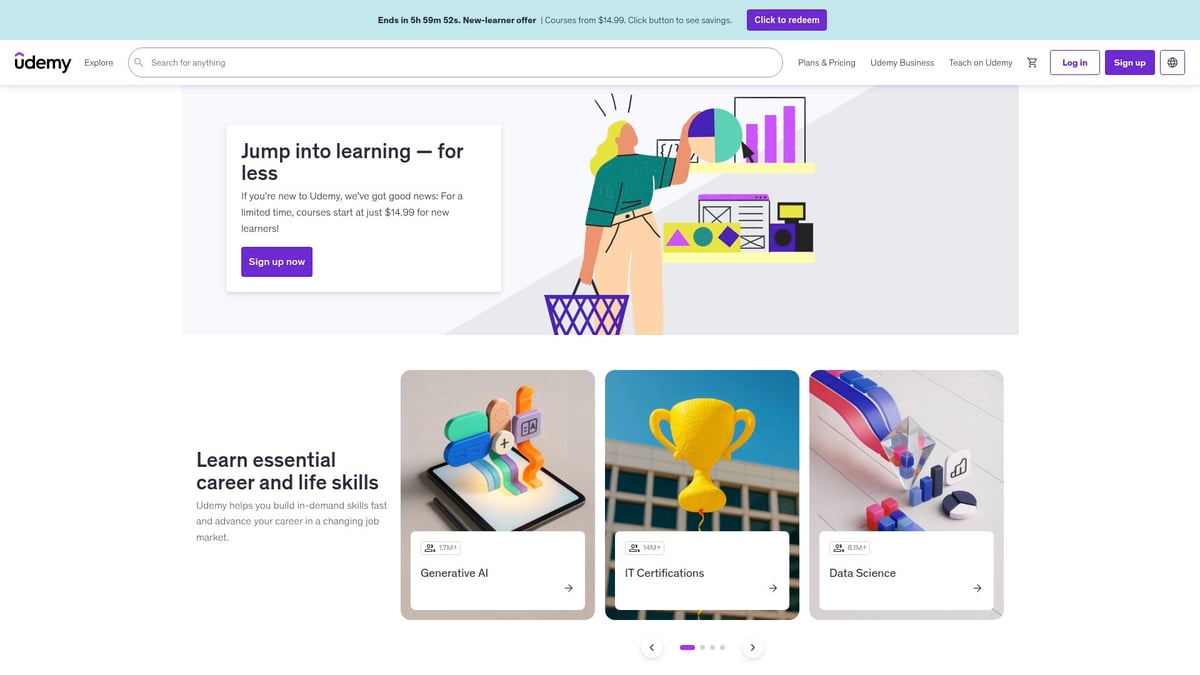
Key features include course hosting, video lessons, interactive quizzes, certificates, and built-in marketing tools. The benefits are compelling: passive income streams, scalable content delivery, and global reach. Ideal audiences are educators, industry professionals, and anyone with expertise in a niche area.
Popular use cases cover language learning, business skills, creative arts, and industry certifications. The pros are clear: low upfront costs, flexible schedules, and evergreen revenue. However, high competition and the need for ongoing marketing are challenges to consider.
For context, Udemy reported over 62 million learners and 200,000 courses in 2023, underscoring the massive potential for low cost start up businesses in the online education sector.
Mobile Car Detailing Services
Mobile car detailing stands out among low cost start up businesses for its minimal investment and high local demand. Pricing per service ranges from $50 to $250, depending on the package and vehicle type. Entrepreneurs need only basic cleaning equipment and eco-friendly products to get started.
Core features include on-site cleaning, flexible scheduling, and the option for subscription packages. The main benefits are flexible work hours, low overhead, and the ability to scale operations by hiring additional staff. Busy professionals, fleet owners, and rideshare drivers are key target audiences.
This model fits residential, corporate, and commercial vehicles, making it versatile. Pros include repeat business and strong word-of-mouth referrals. Cons involve weather dependency and the physical nature of the work.
According to IBISWorld in 2024, the Australian car detailing market is projected to grow at a rate of 5 percent annually, making this a resilient choice for anyone exploring low cost start up businesses.
Virtual Assistant Services
The demand for virtual assistant services is booming, positioning it at the forefront of low cost start up businesses. With hourly rates in Australia ranging from $20 to $50, this model requires no physical premises and offers work-from-home flexibility.
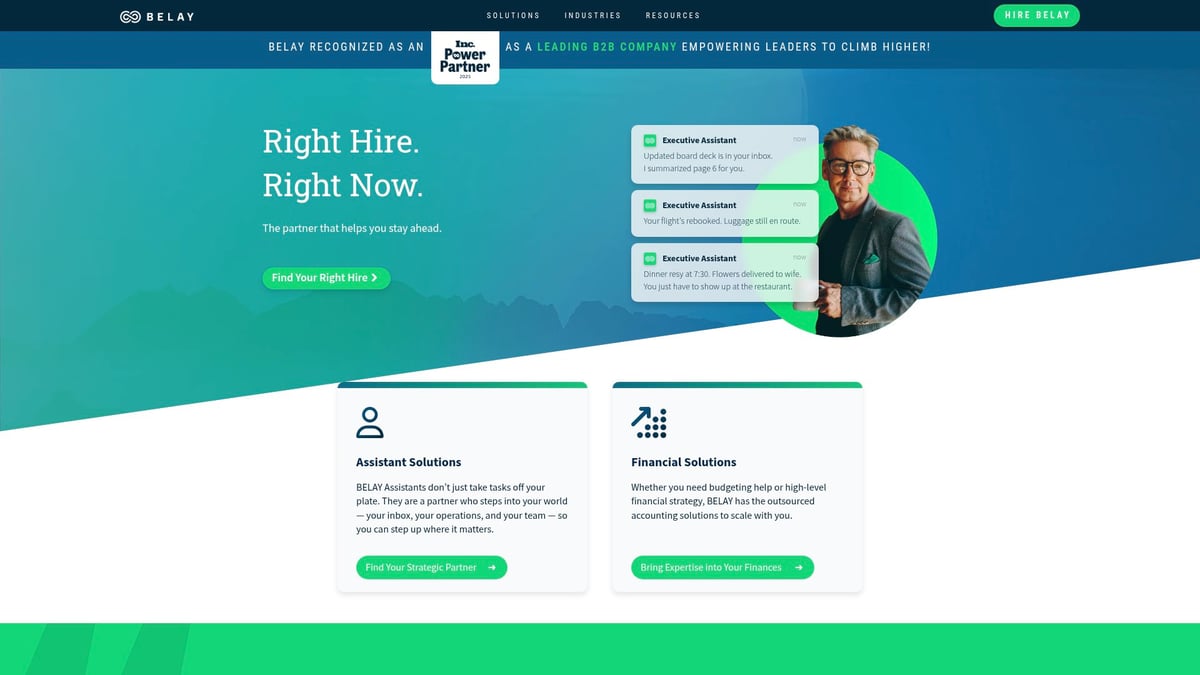
Key features include administrative support, email and calendar management, social media assistance, and bookkeeping. The main benefits are recurring clients, a wide range of service offerings, and the ability to scale through subcontractors. Target audiences are small business owners, consultants, and busy executives.
Ideal use cases include supporting solopreneurs, remote teams, and startups. Pros are low setup costs and the potential for long-term client relationships. Cons revolve around time management and client acquisition.
Seek reported a 41 percent growth in demand for virtual assistants in Australia in 2023, highlighting the ongoing relevance of this sector for low cost start up businesses seeking stability and growth.
Eco-Friendly Home Cleaning Services
Eco-friendly home cleaning services have carved a niche among low cost start up businesses, appealing to health-conscious and environmentally aware consumers. Pricing typically ranges from $80 to $200 per session, depending on property size and service complexity.
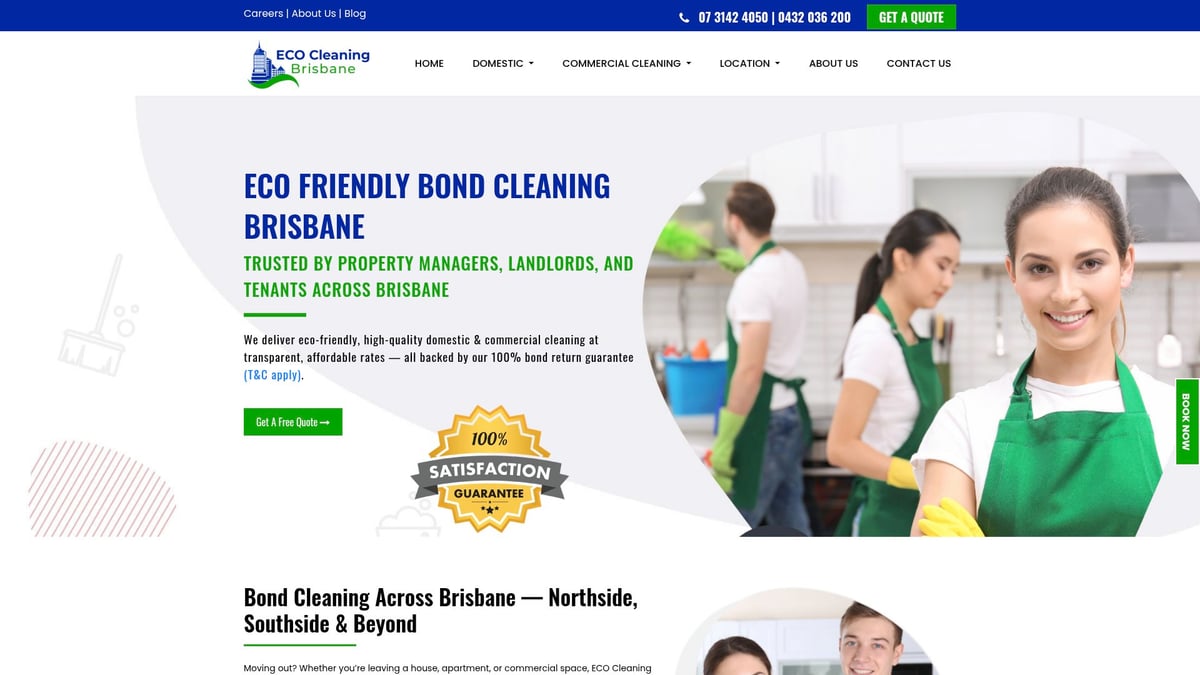
Core features include the use of non-toxic products, green certifications, and flexible scheduling. The benefits are recurring revenue, positive environmental impact, and strong referrals from satisfied customers. Target audiences include families, allergy sufferers, and those prioritising sustainability.
Ideal use cases span residential homes, offices, and Airbnb properties. Pros include a growing market and straightforward setup. Cons involve physical labour and insurance requirements.
Finder’s 2024 survey found that 65 percent of Australians prefer eco-friendly services, confirming strong demand for sustainable low cost start up businesses in the cleaning sector.
Niche Subscription Box Services
Niche subscription boxes are a creative and scalable addition to the world of low cost start up businesses. With pricing set between $25 and $60 per box, entrepreneurs can curate products for hobbyists, foodies, wellness enthusiasts, or pet owners.
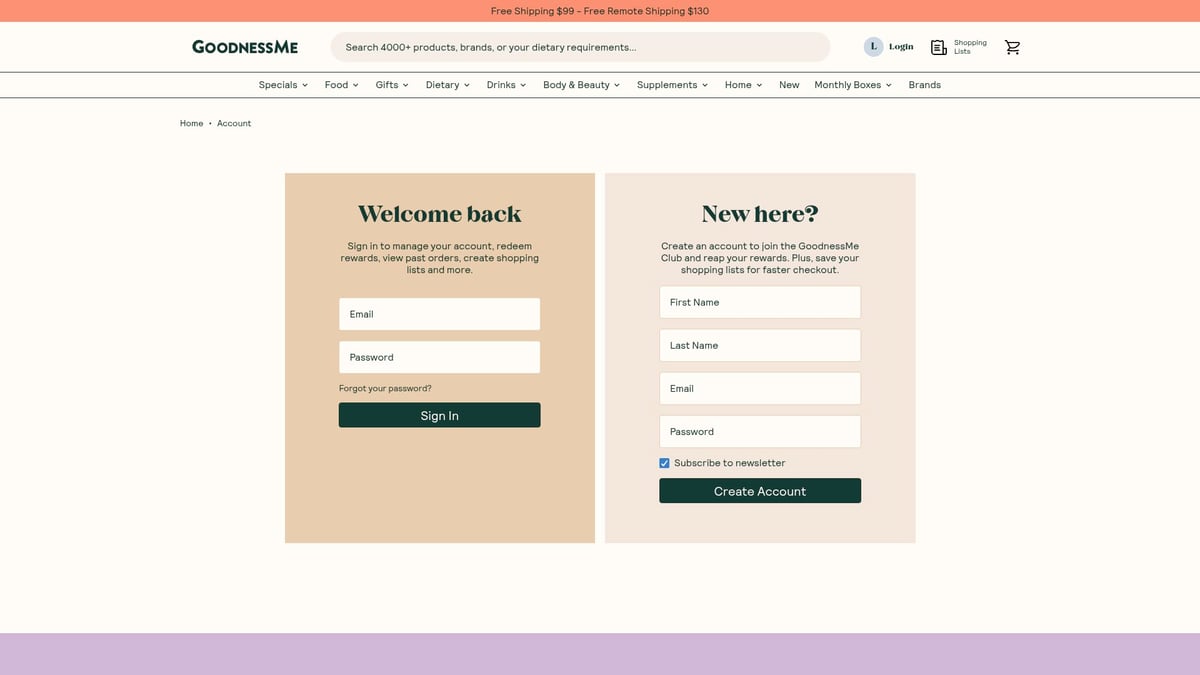
Key features include custom packaging, online ordering, and recurring billing. The benefits are predictable income, opportunities for brand partnerships, and high customer retention. Popular use cases include health snacks, craft kits, beauty products, and pet treats.
Pros are the creative freedom and strong community engagement, while cons involve logistics and inventory management. The subscription box model allows founders to test new products and adapt quickly to market trends.
GoodnessMe experienced 30 percent year-on-year growth in 2023, demonstrating the potential of subscription-based low cost start up businesses for sustainable success.
Social Media Management for Local Businesses
Social media management is a high-demand service, making it an excellent option for low cost start up businesses. Pricing typically ranges from $300 to $1,000 per month per client, depending on the scope and complexity of services.
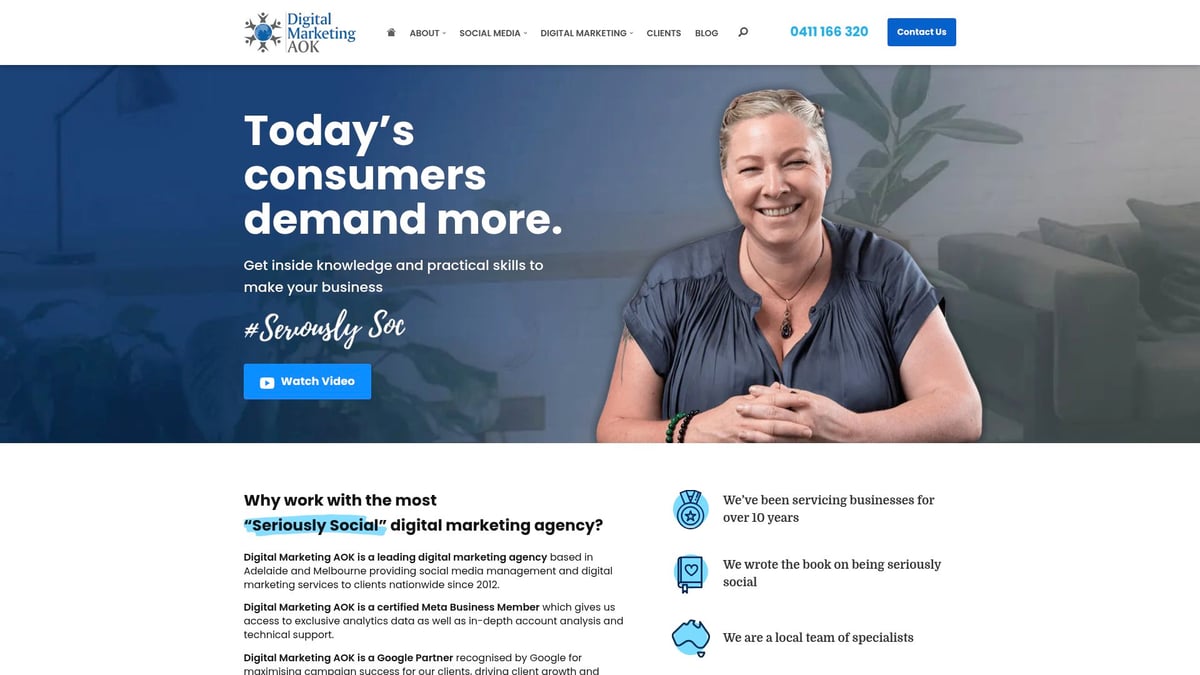
Core features include content creation, scheduling, analytics, and ad management. The key benefits are recurring contracts, the ability to work remotely, and creative freedom. Target audiences are local businesses such as cafes, tradespeople, boutiques, and fitness studios.
Ideal use cases involve managing Instagram, Facebook, and TikTok campaigns. The pros are strong demand, the ability to start solo, and scalability through team expansion. Cons include client churn and the necessity to stay updated with social media trends.
According to Sensis in 2023, 91 percent of Australian SMEs use social media for marketing, highlighting the ongoing need for low cost start up businesses offering digital marketing expertise.
Freelance Graphic Design & Branding
Freelance graphic design and branding services are a flexible and lucrative segment within low cost start up businesses. Project pricing ranges from $150 to over $2,000, depending on client needs and project scope.
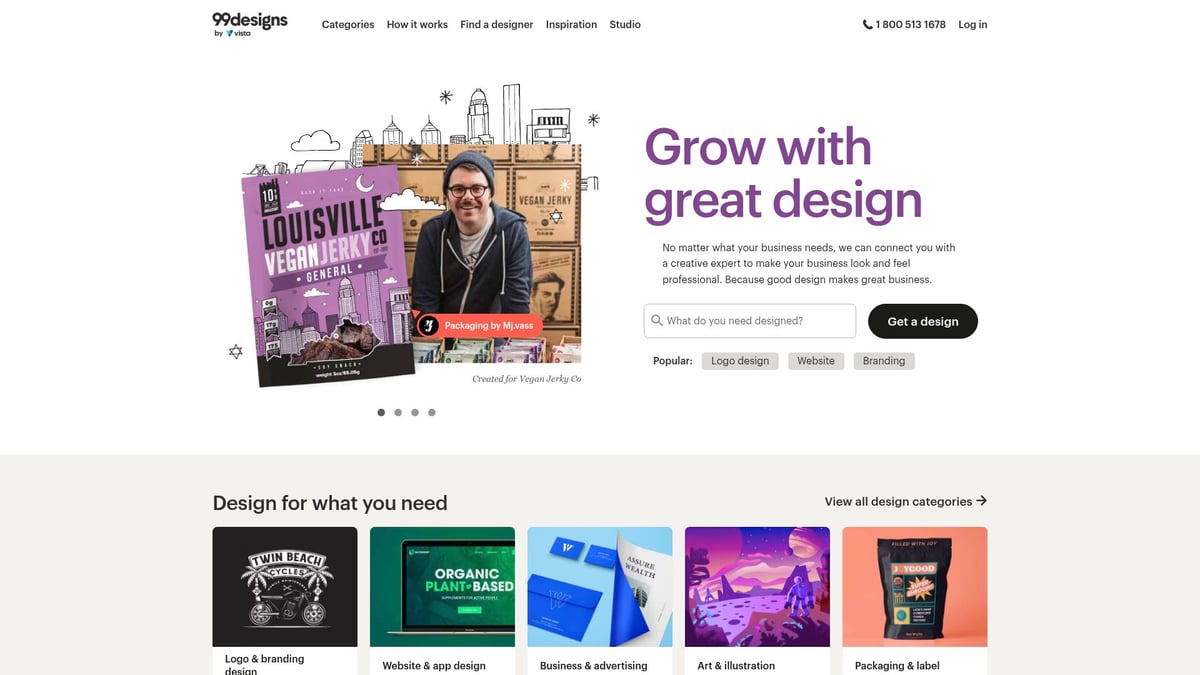
Key features involve logo design, brand kits, marketing collateral, and website graphics. The benefits are creative freedom, portfolio development, and access to a global client base. Startups, small businesses, and non-profits are typical clients.
Ideal use cases cover logo packages, website redesigns, and advertising campaigns. Pros include high earning potential and the ability to build a strong reputation. Cons are project-based income and negotiation challenges.
99designs boasts over 1 million designers and 500,000 clients worldwide, demonstrating the global reach and scalability of low cost start up businesses in the creative sector.
Pet Sitting & Dog Walking Services
Pet sitting and dog walking services are among the most accessible low cost start up businesses, requiring minimal investment and offering strong community engagement. Pricing per walk or visit ranges from $20 to $50, making it affordable for clients and profitable for entrepreneurs.
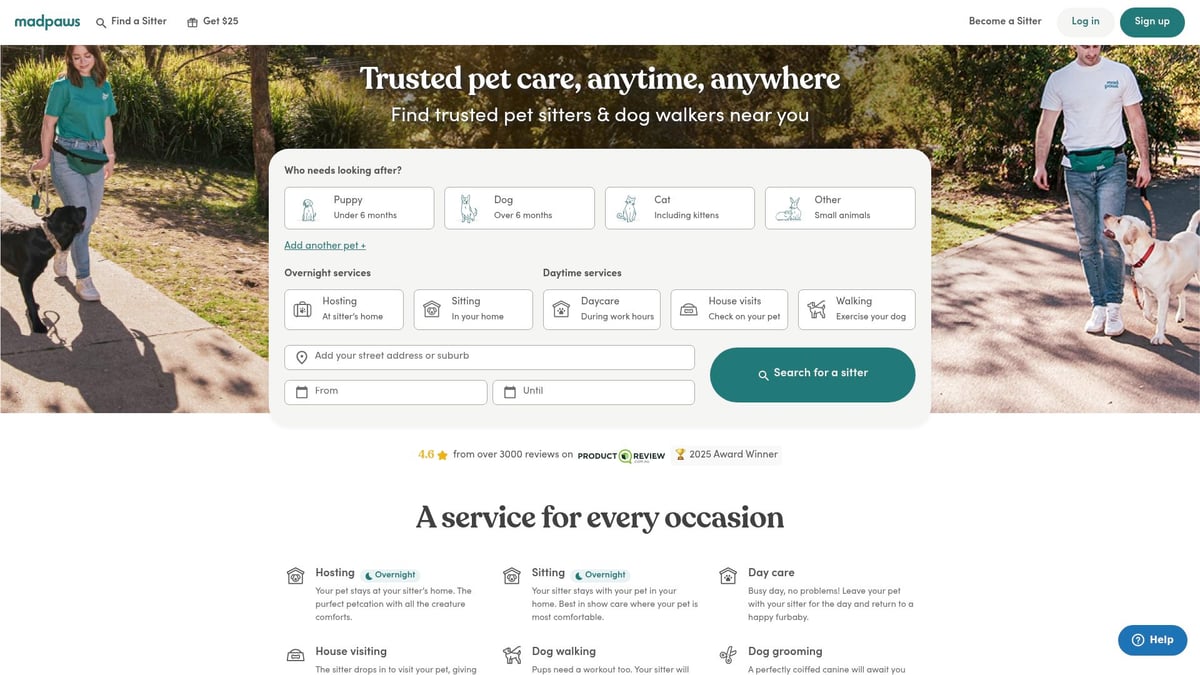
Core features include on-demand booking, pet insurance, customer reviews, and GPS tracking. The main benefits are flexible hours, repeat customers, and the joy of working with animals. Target audiences are pet owners, busy professionals, and travellers.
Ideal use cases include daily walks, overnight stays, and pet daycare. Pros are low startup costs and the ability to build local trust. Cons involve liability and scheduling challenges.
Mad Paws reported over 30,000 bookings per month in 2023, underlining the robust demand for pet-related low cost start up businesses across Australia.
Handmade Crafts & Personalised Gifts Ecommerce
Handmade crafts and personalised gifts ecommerce is thriving among low cost start up businesses, thanks to platforms like Etsy Australia. Pricing per item ranges from $10 to $200, with a 5 percent fee per sale. This model enables creative entrepreneurs to reach a global audience from home.
Key features include an online storefront, custom orders, secure payments, and global shipping. The benefits are a flexible schedule, creative expression, and scalability. Target audiences are gift buyers, collectors, and event planners.
Use cases span weddings, birthdays, home décor, and seasonal gifts. Pros are minimal inventory requirements and the ability to work remotely. Cons include market saturation and shipping logistics.
Etsy Australia saw a 35 percent increase in sales in 2023. For creative founders, purposeful branding is essential—learn more about Purposeful branding for start ups to help your business stand out in this competitive space.
Essential Steps to Launch Your Low Cost Start Up in 2026
Launching low cost start up businesses in 2026 is an exciting opportunity for aspiring entrepreneurs. A strategic approach can set the stage for long-term success. Follow these essential steps to turn your vision into a thriving venture.
Market Research & Validation
Thorough market research is the foundation of successful low cost start up businesses. Begin by identifying your target audience and analysing competitors to understand market gaps. Use tools like Google Trends and SEMrush to validate demand for your product or service. Conduct local surveys or interviews to gather first-hand insights. A niche focus often improves success rates, as seen with subscription box start ups. These insights help you refine your offer and avoid costly missteps. Consistent research keeps your business relevant, ensuring you meet customer needs as trends evolve.
Building a Lean Business Plan
A clear, concise business plan is critical for low cost start up businesses. Focus on your vision, set achievable goals, outline financial projections, and define your marketing strategy. Keep your plan simple and adaptable to minimise risk and enable quick pivots. Many service-based start ups succeed with a one-page business plan. Leverage external support, such as Clarity and strategic planning, to sharpen your direction and identify growth opportunities. Regularly update your plan as you gather feedback and data, ensuring your start up stays on track.
Branding & Digital Presence
In today’s digital landscape, establishing a strong brand and online presence is essential for low cost start up businesses. Create a unique brand identity, including a memorable logo and consistent messaging. Set up a professional website and optimise it for SEO to attract new customers. Australians increasingly research businesses online before making decisions, making digital visibility crucial. For actionable strategies, explore Building a digital presence to maximise your reach on a budget. Invest in high-quality visuals and maintain consistency across all channels for lasting impact.
Leveraging Technology & Automation
Leveraging technology is a game-changer for low cost start up businesses. Use affordable tools for CRM, invoicing, scheduling, and email marketing to streamline operations. AI-powered solutions, such as automated social media scheduling, can save time and reduce manual effort. Cloud-based platforms also offer scalable solutions without the need for large upfront investment. Automating repetitive tasks allows you to focus on growth, customer service, and innovation. Regularly assess new tech trends to keep your business efficient and competitive in a rapidly changing market.
Legal & Financial Setup
Proper legal and financial setup protects your low cost start up businesses from potential pitfalls. Register your business name, secure an Australian Business Number (ABN), and open a dedicated business bank account. Understand your tax obligations and explore insurance options to safeguard your venture. Use government resources, such as the Business Registration portal, for guidance. Staying compliant from the start avoids costly errors and builds credibility with customers and partners. Keep detailed records and seek professional advice when needed to ensure long-term stability.
Launching & Scaling Smartly
Start small with your low cost start up businesses, focusing on delivering value and gathering customer feedback. Use digital marketing, partnerships, and customer referrals to build momentum. Adapt your offerings based on real-world responses and scale gradually. Online platforms and local networking can accelerate growth in sectors like pet services or niche e-commerce. Prioritise customer satisfaction and operational efficiency as you expand. A smart, iterative approach enables sustainable growth while minimising financial exposure, setting the stage for long-term success.
Future Trends Shaping Low Cost Start Ups in Australia
Australia’s business landscape is evolving rapidly as digital transformation and economic shifts reshape how entrepreneurs approach low cost start up businesses. In 2026, several key trends are creating new opportunities and influencing the strategies of forward-thinking founders.
The rise of remote and hybrid work is enabling more Australians to pursue entrepreneurial ventures from anywhere. This shift has made it easier for people in regional areas to launch low cost start up businesses, reducing the need for expensive office space and allowing access to a national client base. For instance, regions like Bundaberg are experiencing a boom in small business growth, as highlighted in Bundaberg leads in small business growth.
Sustainability and ethical consumerism are also shaping the future of low cost start up businesses. Australians are increasingly seeking eco-friendly products and services, pushing new founders to prioritise green practices and ethical sourcing. This trend is especially strong in industries such as home cleaning, wellness, and retail.
Another major driver is the expansion of AI, automation, and no code tools, which are making it more affordable than ever to start and scale a business. These technologies reduce manual effort, streamline operations, and help low cost start up businesses compete with larger players. Entrepreneurs can now automate marketing, customer service, and bookkeeping with minimal technical expertise.
Personalisation and hyper-local services are gaining traction as consumers look for tailored experiences from businesses in their communities. From local subscription boxes to on-demand pet care, these models allow low cost start up businesses to stand out in a crowded market and build loyal customer bases.
Health, wellness, and pet care sectors continue to present significant opportunities. Australians are spending more on personal wellbeing and pet services, creating strong demand for innovative, low cost start up businesses in these fields.
Government incentives and support for microbusinesses are further fuelling growth. Programs like the Industry Growth Program grants provide essential funding and resources for small ventures to innovate and scale, making entry even more accessible.
Looking ahead, technology adoption is levelling the playing field for small Australian start ups. By embracing the latest tools and responding quickly to consumer trends, entrepreneurs can position their low cost start up businesses for sustainable success in 2026 and beyond.
If you’re feeling inspired by these nine low cost start up ideas and want to turn your vision into reality, you don’t have to navigate the journey alone. We understand that building a business in 2026 is about more than just a great concept—it’s about having the right plan, strong branding, efficient systems, and the confidence to launch. Whether you’re at the idea stage or ready to take action, we’re here to help you map out each step for long term success. Let’s chat about how you can get started—Book a free consultation.
Entrepreneurship in 2026 is more appealing than ever as economic shifts and digital transformation open new doors. With traditional barriers falling, the demand for low cost start up businesses continues to surge. Australians are seeking ventures that promise financial independence, foster creativity, and allow for scalable growth with minimal upfront investment.
This article uncovers nine brilliant, affordable business ideas, each offering a unique opportunity for aspiring founders. Explore actionable insights and discover how low cost start up businesses can set you on the path to success in today's dynamic marketplace.
Why Low Cost Start Ups Are Thriving in 2026
Australia’s entrepreneurial landscape is evolving rapidly in 2026. Economic pressures like ongoing inflation and shifting employment patterns are encouraging many to seek alternative income streams. The rise of remote work and gig economy platforms has made it easier for individuals to pursue low cost start up businesses without the need for significant upfront capital.
At the same time, technology is removing traditional barriers for new founders. Artificial intelligence, automation tools, and scalable cloud services now handle tasks that once required large teams or expensive software. These advances mean that low cost start up businesses can operate efficiently from day one, managing everything from customer service to marketing with minimal resources.
Consumer behaviour is also changing in favour of these ventures. Australians are increasingly supporting small, local, and online businesses, valuing personalisation and ethical practices over mass-market options. This shift makes it easier for low cost start up businesses to build loyal customer bases, especially when they focus on niche markets or unique offerings.
Access to funding has become more democratised as well. Micro-investment platforms, crowdfunding, and a variety of government grants are available to support innovative ideas. For instance, the Industry Growth Program provides grants to help Australian small businesses develop and scale. These funding opportunities reduce the financial risk associated with launching low cost start up businesses and allow founders to experiment, iterate, and refine their concepts without heavy debt.
One of the biggest advantages of this model is risk mitigation. With limited fixed costs and the ability to start small, entrepreneurs can test their ideas in real-world conditions and adapt quickly based on feedback. If a concept does not perform as expected, the financial exposure is minimal, making low cost start up businesses an attractive pathway for first-time founders.
Success stories demonstrate the power of this approach. Companies like Koala and Canva began with lean budgets and have grown into global players. Recent statistics further reinforce this trend: the number of small businesses in Australia continues to rise, with strong survival rates compared to previous years. According to Australian small business growth statistics 2025, the sector remains resilient and adaptable, underscoring the scalability and long-term potential of low cost start up businesses.
In summary, the convergence of economic shifts, accessible technology, supportive consumer trends, and new funding models is driving the success of low cost start up businesses in 2026. These factors enable founders to launch ventures that are agile, resilient, and primed for growth in a fast-changing marketplace.
9 Brilliant Low Cost Start Up Businesses to Launch in 2026
Exploring the landscape of low cost start up businesses in 2026 reveals an exciting mix of innovation, accessibility, and scalability. Entrepreneurs now have more affordable and creative options than ever before, with digital platforms, flexible services, and community-driven models lowering barriers to entry. Let's dive into nine brilliant, low cost start up businesses you can launch in 2026, each offering unique opportunities for growth and financial independence.
Online Course Creation & Microlearning Platforms
Online education continues to surge, making it a prime choice among low cost start up businesses. Platforms like Udemy allow subject matter experts and professionals to create and sell courses to a global audience. With course pricing ranging from free to over $200, and platform fees applying, the financial barrier to entry is minimal.
Key features include course hosting, video lessons, interactive quizzes, certificates, and built-in marketing tools. The benefits are compelling: passive income streams, scalable content delivery, and global reach. Ideal audiences are educators, industry professionals, and anyone with expertise in a niche area.
Popular use cases cover language learning, business skills, creative arts, and industry certifications. The pros are clear: low upfront costs, flexible schedules, and evergreen revenue. However, high competition and the need for ongoing marketing are challenges to consider.
For context, Udemy reported over 62 million learners and 200,000 courses in 2023, underscoring the massive potential for low cost start up businesses in the online education sector.
Mobile Car Detailing Services
Mobile car detailing stands out among low cost start up businesses for its minimal investment and high local demand. Pricing per service ranges from $50 to $250, depending on the package and vehicle type. Entrepreneurs need only basic cleaning equipment and eco-friendly products to get started.
Core features include on-site cleaning, flexible scheduling, and the option for subscription packages. The main benefits are flexible work hours, low overhead, and the ability to scale operations by hiring additional staff. Busy professionals, fleet owners, and rideshare drivers are key target audiences.
This model fits residential, corporate, and commercial vehicles, making it versatile. Pros include repeat business and strong word-of-mouth referrals. Cons involve weather dependency and the physical nature of the work.
According to IBISWorld in 2024, the Australian car detailing market is projected to grow at a rate of 5 percent annually, making this a resilient choice for anyone exploring low cost start up businesses.
Virtual Assistant Services
The demand for virtual assistant services is booming, positioning it at the forefront of low cost start up businesses. With hourly rates in Australia ranging from $20 to $50, this model requires no physical premises and offers work-from-home flexibility.
Key features include administrative support, email and calendar management, social media assistance, and bookkeeping. The main benefits are recurring clients, a wide range of service offerings, and the ability to scale through subcontractors. Target audiences are small business owners, consultants, and busy executives.
Ideal use cases include supporting solopreneurs, remote teams, and startups. Pros are low setup costs and the potential for long-term client relationships. Cons revolve around time management and client acquisition.
Seek reported a 41 percent growth in demand for virtual assistants in Australia in 2023, highlighting the ongoing relevance of this sector for low cost start up businesses seeking stability and growth.
Eco-Friendly Home Cleaning Services
Eco-friendly home cleaning services have carved a niche among low cost start up businesses, appealing to health-conscious and environmentally aware consumers. Pricing typically ranges from $80 to $200 per session, depending on property size and service complexity.
Core features include the use of non-toxic products, green certifications, and flexible scheduling. The benefits are recurring revenue, positive environmental impact, and strong referrals from satisfied customers. Target audiences include families, allergy sufferers, and those prioritising sustainability.
Ideal use cases span residential homes, offices, and Airbnb properties. Pros include a growing market and straightforward setup. Cons involve physical labour and insurance requirements.
Finder’s 2024 survey found that 65 percent of Australians prefer eco-friendly services, confirming strong demand for sustainable low cost start up businesses in the cleaning sector.
Niche Subscription Box Services
Niche subscription boxes are a creative and scalable addition to the world of low cost start up businesses. With pricing set between $25 and $60 per box, entrepreneurs can curate products for hobbyists, foodies, wellness enthusiasts, or pet owners.
Key features include custom packaging, online ordering, and recurring billing. The benefits are predictable income, opportunities for brand partnerships, and high customer retention. Popular use cases include health snacks, craft kits, beauty products, and pet treats.
Pros are the creative freedom and strong community engagement, while cons involve logistics and inventory management. The subscription box model allows founders to test new products and adapt quickly to market trends.
GoodnessMe experienced 30 percent year-on-year growth in 2023, demonstrating the potential of subscription-based low cost start up businesses for sustainable success.
Social Media Management for Local Businesses
Social media management is a high-demand service, making it an excellent option for low cost start up businesses. Pricing typically ranges from $300 to $1,000 per month per client, depending on the scope and complexity of services.
Core features include content creation, scheduling, analytics, and ad management. The key benefits are recurring contracts, the ability to work remotely, and creative freedom. Target audiences are local businesses such as cafes, tradespeople, boutiques, and fitness studios.
Ideal use cases involve managing Instagram, Facebook, and TikTok campaigns. The pros are strong demand, the ability to start solo, and scalability through team expansion. Cons include client churn and the necessity to stay updated with social media trends.
According to Sensis in 2023, 91 percent of Australian SMEs use social media for marketing, highlighting the ongoing need for low cost start up businesses offering digital marketing expertise.
Freelance Graphic Design & Branding
Freelance graphic design and branding services are a flexible and lucrative segment within low cost start up businesses. Project pricing ranges from $150 to over $2,000, depending on client needs and project scope.
Key features involve logo design, brand kits, marketing collateral, and website graphics. The benefits are creative freedom, portfolio development, and access to a global client base. Startups, small businesses, and non-profits are typical clients.
Ideal use cases cover logo packages, website redesigns, and advertising campaigns. Pros include high earning potential and the ability to build a strong reputation. Cons are project-based income and negotiation challenges.
99designs boasts over 1 million designers and 500,000 clients worldwide, demonstrating the global reach and scalability of low cost start up businesses in the creative sector.
Pet Sitting & Dog Walking Services
Pet sitting and dog walking services are among the most accessible low cost start up businesses, requiring minimal investment and offering strong community engagement. Pricing per walk or visit ranges from $20 to $50, making it affordable for clients and profitable for entrepreneurs.
Core features include on-demand booking, pet insurance, customer reviews, and GPS tracking. The main benefits are flexible hours, repeat customers, and the joy of working with animals. Target audiences are pet owners, busy professionals, and travellers.
Ideal use cases include daily walks, overnight stays, and pet daycare. Pros are low startup costs and the ability to build local trust. Cons involve liability and scheduling challenges.
Mad Paws reported over 30,000 bookings per month in 2023, underlining the robust demand for pet-related low cost start up businesses across Australia.
Handmade Crafts & Personalised Gifts Ecommerce
Handmade crafts and personalised gifts ecommerce is thriving among low cost start up businesses, thanks to platforms like Etsy Australia. Pricing per item ranges from $10 to $200, with a 5 percent fee per sale. This model enables creative entrepreneurs to reach a global audience from home.
Key features include an online storefront, custom orders, secure payments, and global shipping. The benefits are a flexible schedule, creative expression, and scalability. Target audiences are gift buyers, collectors, and event planners.
Use cases span weddings, birthdays, home décor, and seasonal gifts. Pros are minimal inventory requirements and the ability to work remotely. Cons include market saturation and shipping logistics.
Etsy Australia saw a 35 percent increase in sales in 2023. For creative founders, purposeful branding is essential—learn more about Purposeful branding for start ups to help your business stand out in this competitive space.
Essential Steps to Launch Your Low Cost Start Up in 2026
Launching low cost start up businesses in 2026 is an exciting opportunity for aspiring entrepreneurs. A strategic approach can set the stage for long-term success. Follow these essential steps to turn your vision into a thriving venture.
Market Research & Validation
Thorough market research is the foundation of successful low cost start up businesses. Begin by identifying your target audience and analysing competitors to understand market gaps. Use tools like Google Trends and SEMrush to validate demand for your product or service. Conduct local surveys or interviews to gather first-hand insights. A niche focus often improves success rates, as seen with subscription box start ups. These insights help you refine your offer and avoid costly missteps. Consistent research keeps your business relevant, ensuring you meet customer needs as trends evolve.
Building a Lean Business Plan
A clear, concise business plan is critical for low cost start up businesses. Focus on your vision, set achievable goals, outline financial projections, and define your marketing strategy. Keep your plan simple and adaptable to minimise risk and enable quick pivots. Many service-based start ups succeed with a one-page business plan. Leverage external support, such as Clarity and strategic planning, to sharpen your direction and identify growth opportunities. Regularly update your plan as you gather feedback and data, ensuring your start up stays on track.
Branding & Digital Presence
In today’s digital landscape, establishing a strong brand and online presence is essential for low cost start up businesses. Create a unique brand identity, including a memorable logo and consistent messaging. Set up a professional website and optimise it for SEO to attract new customers. Australians increasingly research businesses online before making decisions, making digital visibility crucial. For actionable strategies, explore Building a digital presence to maximise your reach on a budget. Invest in high-quality visuals and maintain consistency across all channels for lasting impact.
Leveraging Technology & Automation
Leveraging technology is a game-changer for low cost start up businesses. Use affordable tools for CRM, invoicing, scheduling, and email marketing to streamline operations. AI-powered solutions, such as automated social media scheduling, can save time and reduce manual effort. Cloud-based platforms also offer scalable solutions without the need for large upfront investment. Automating repetitive tasks allows you to focus on growth, customer service, and innovation. Regularly assess new tech trends to keep your business efficient and competitive in a rapidly changing market.
Legal & Financial Setup
Proper legal and financial setup protects your low cost start up businesses from potential pitfalls. Register your business name, secure an Australian Business Number (ABN), and open a dedicated business bank account. Understand your tax obligations and explore insurance options to safeguard your venture. Use government resources, such as the Business Registration portal, for guidance. Staying compliant from the start avoids costly errors and builds credibility with customers and partners. Keep detailed records and seek professional advice when needed to ensure long-term stability.
Launching & Scaling Smartly
Start small with your low cost start up businesses, focusing on delivering value and gathering customer feedback. Use digital marketing, partnerships, and customer referrals to build momentum. Adapt your offerings based on real-world responses and scale gradually. Online platforms and local networking can accelerate growth in sectors like pet services or niche e-commerce. Prioritise customer satisfaction and operational efficiency as you expand. A smart, iterative approach enables sustainable growth while minimising financial exposure, setting the stage for long-term success.
Future Trends Shaping Low Cost Start Ups in Australia
Australia’s business landscape is evolving rapidly as digital transformation and economic shifts reshape how entrepreneurs approach low cost start up businesses. In 2026, several key trends are creating new opportunities and influencing the strategies of forward-thinking founders.
The rise of remote and hybrid work is enabling more Australians to pursue entrepreneurial ventures from anywhere. This shift has made it easier for people in regional areas to launch low cost start up businesses, reducing the need for expensive office space and allowing access to a national client base. For instance, regions like Bundaberg are experiencing a boom in small business growth, as highlighted in Bundaberg leads in small business growth.
Sustainability and ethical consumerism are also shaping the future of low cost start up businesses. Australians are increasingly seeking eco-friendly products and services, pushing new founders to prioritise green practices and ethical sourcing. This trend is especially strong in industries such as home cleaning, wellness, and retail.
Another major driver is the expansion of AI, automation, and no code tools, which are making it more affordable than ever to start and scale a business. These technologies reduce manual effort, streamline operations, and help low cost start up businesses compete with larger players. Entrepreneurs can now automate marketing, customer service, and bookkeeping with minimal technical expertise.
Personalisation and hyper-local services are gaining traction as consumers look for tailored experiences from businesses in their communities. From local subscription boxes to on-demand pet care, these models allow low cost start up businesses to stand out in a crowded market and build loyal customer bases.
Health, wellness, and pet care sectors continue to present significant opportunities. Australians are spending more on personal wellbeing and pet services, creating strong demand for innovative, low cost start up businesses in these fields.
Government incentives and support for microbusinesses are further fuelling growth. Programs like the Industry Growth Program grants provide essential funding and resources for small ventures to innovate and scale, making entry even more accessible.
Looking ahead, technology adoption is levelling the playing field for small Australian start ups. By embracing the latest tools and responding quickly to consumer trends, entrepreneurs can position their low cost start up businesses for sustainable success in 2026 and beyond.
If you’re feeling inspired by these nine low cost start up ideas and want to turn your vision into reality, you don’t have to navigate the journey alone. We understand that building a business in 2026 is about more than just a great concept—it’s about having the right plan, strong branding, efficient systems, and the confidence to launch. Whether you’re at the idea stage or ready to take action, we’re here to help you map out each step for long term success. Let’s chat about how you can get started—Book a free consultation.