8 Innovative Import Export Business Ideas for 2026 Success
8 Innovative Import Export Business Ideas for 2026 Success
8 Innovative Import Export Business Ideas for 2026 Success
Dec 16, 2025
Global trade is transforming at an unprecedented pace, creating both challenges and opportunities for entrepreneurs. As 2026 approaches, staying ahead means exploring import export business ideas that tap into new markets and innovative models.
This article reveals eight forward-thinking import export business ideas designed for those ready to succeed in the next wave of global commerce. You will discover emerging business models, unique product niches, and technology-driven opportunities that can set you apart.
Expect practical steps and insights, all backed by the latest trade growth statistics. If you are looking to seize the most lucrative opportunities, these actionable ideas will help you get started confidently.
The Future of Import Export: Trends Shaping 2026
The landscape for import export business ideas in 2026 is being shaped by powerful global trends. From rising trade volumes to digital innovation and growing sustainability demands, future entrepreneurs need to understand these forces to unlock new opportunities.
Global Trade Growth and Shifting Markets
Global trade is set to surpass $35 trillion in 2025, reflecting remarkable resilience despite recent economic uncertainty. According to the Economist and Shopify, goods trade is projected to grow by 3.3% into 2026. G20 nations continue to drive higher import and export volumes, with shifting consumer preferences and new markets emerging rapidly.
Trade agreements and the expansion of emerging economies are creating fertile ground for innovative import export business ideas. Entrepreneurs should monitor these market shifts and position themselves to seize fresh opportunities as global commerce evolves. For a closer look at the scale of change, see the global trade projected to surpass $35 trillion in 2025.
Technology and Digital Transformation
Technology is revolutionising the way import export business ideas are executed. Artificial intelligence, automation, and robust e-commerce platforms are streamlining cross-border operations. Tools like Shopify’s AI Sidekick simplify order management and market insights, while digital supply chain management and blockchain ensure product traceability.
These advancements lower barriers for small businesses, enabling them to compete globally. As technology adoption accelerates, expect even more import export business ideas to flourish in niche and value-driven sectors.
Sustainability and Ethical Sourcing
Sustainability is now a fundamental driver for import export business ideas. Consumers and regulators alike demand eco-friendly products and transparent supply chains. Regulatory changes in major markets require businesses to prove their products are responsibly sourced.
Entrepreneurs who prioritise sustainability and ethical sourcing can stand out in crowded markets. Certifications and traceability will become essential for those seeking to build trust and long-term value in 2026.
Regulatory and Tariff Considerations
The regulatory landscape for import export business ideas is becoming more complex. Evolving tariffs, customs requirements, and compliance challenges can impact costs and timelines. Recent shifts in global trade policy mean that businesses must stay agile and informed.
Adaptation is key. Many successful import export business ideas thrive by proactively managing compliance, investing in expert advice, and building robust logistics networks to navigate these changes.
Opportunities for Niche and Value-Added Products
Niche markets are on the rise, presenting unique opportunities for innovative import export business ideas. Products such as organic foods, artisanal goods, and tech-driven solutions are gaining traction. Brand storytelling, product differentiation, and value addition are now critical to success.
Entrepreneurs who leverage these trends can carve out strong positions in the global marketplace. By aligning with customer values and focusing on quality, import export business ideas can turn emerging trends into profitable ventures.
8 Innovative Import Export Business Ideas for 2026
The world of import export business ideas is rapidly evolving, and future-focused entrepreneurs need to stay ahead of trends. Below, we explore eight forward-thinking opportunities set to define global commerce in 2026. Each idea highlights a unique product niche, target market, and practical considerations for launching your import export business ideas in the coming years.
1. Renewable Energy Solutions
Renewable energy is fuelling some of the most exciting import export business ideas for 2026. As the world accelerates the transition to clean energy, there is unprecedented demand for solar panels, wind turbines, and advanced battery storage systems.
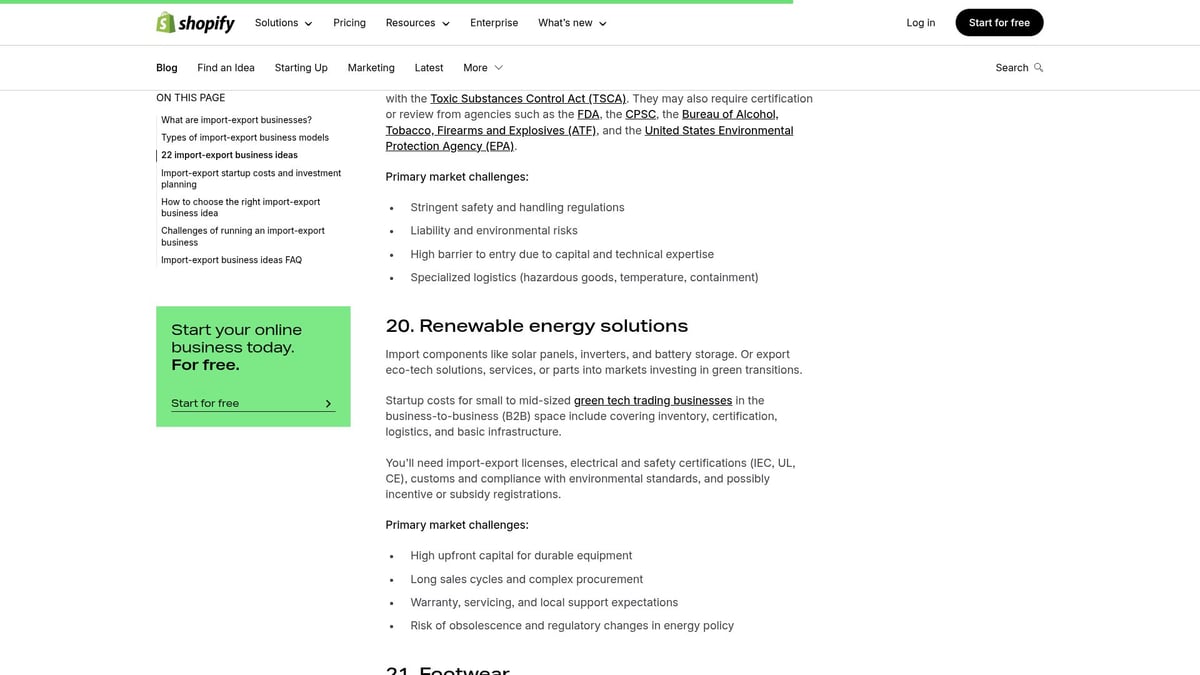
Entrepreneurs can import or export these products to capitalise on government incentives and the global push to reduce carbon emissions. Target customers include property developers, government agencies, and eco-conscious businesses seeking sustainable solutions.
Pros:
High demand and positive environmental impact.
Strong support from public policy and incentives.
Cons:
Navigating regulatory approvals can be challenging.
Complex logistics for large or sensitive equipment.
Example: Exporting Australian solar technology into Asia-Pacific markets is a prime example of leveraging local innovation for international growth. For those seeking import export business ideas aligned with global trends, renewable energy solutions offer both profitability and purpose.
2. Organic and Functional Foods
Health and wellness are shaping the next wave of import export business ideas. Organic produce, superfoods, and functional beverages are in high demand across developed and emerging markets alike.
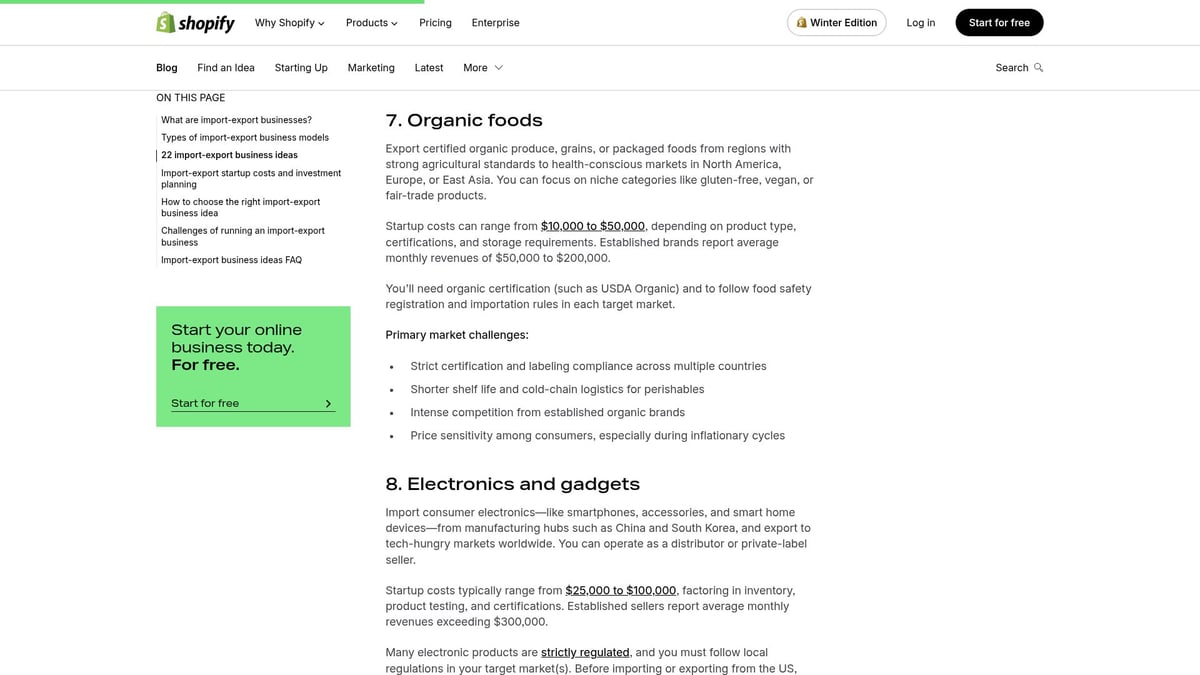
Entrepreneurs should focus on products with recognised certifications, such as USDA Organic or EU Organic, to meet strict compliance and reassure discerning buyers. Target customers include health food retailers, supermarkets, and online wellness platforms.
Pros:
Premium pricing due to quality and certification.
Expanding global market for health products.
Cons:
Perishability and logistics challenges.
Navigating complex export regulations.
Example: Importing Peruvian maca root to Europe or exporting Australian organic honey to Asia demonstrates how import export business ideas in this niche can tap into lucrative wellness trends. Staying ahead with unique offerings and robust supplier relationships is key.
3. Smart Home and IoT Devices
The rise of smart homes is creating fresh import export business ideas centred on technology. Products like smart speakers, security systems, and connected appliances are increasingly sought after by tech-savvy consumers.
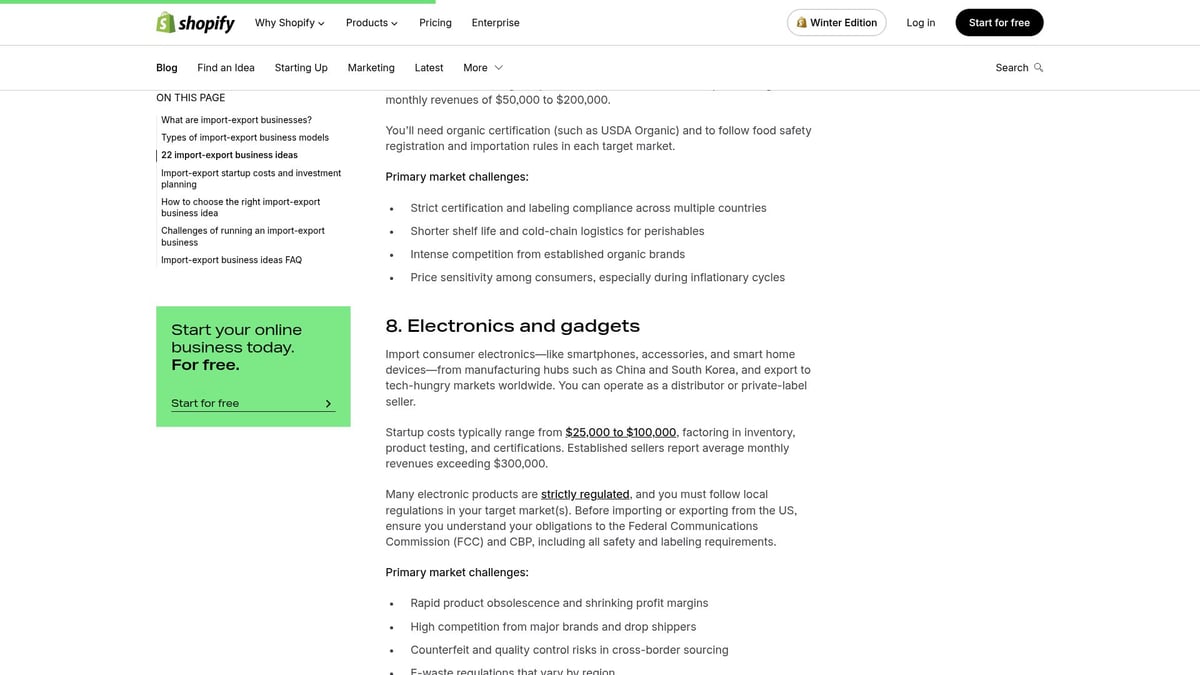
Entrepreneurs can benefit from importing or exporting these devices to markets where IoT adoption is booming. Target customers include electronics retailers, e-commerce stores, and real estate developers integrating smart solutions.
Pros:
High profit margins and rapid market growth.
Opportunities for product bundling and upselling.
Cons:
Fast product cycles require constant innovation.
Certification and compliance can be barriers.
Example: Exporting Australian-designed smart sensors to the US showcases how innovative import export business ideas can bridge markets hungry for digital transformation.
4. Sustainable Textiles and Eco-Fabrics
Sustainable textiles and eco-fabrics are rising stars among import export business ideas. Organic cotton, bamboo fabrics, and recycled materials are in strong demand as brands shift towards environmentally responsible supply chains.
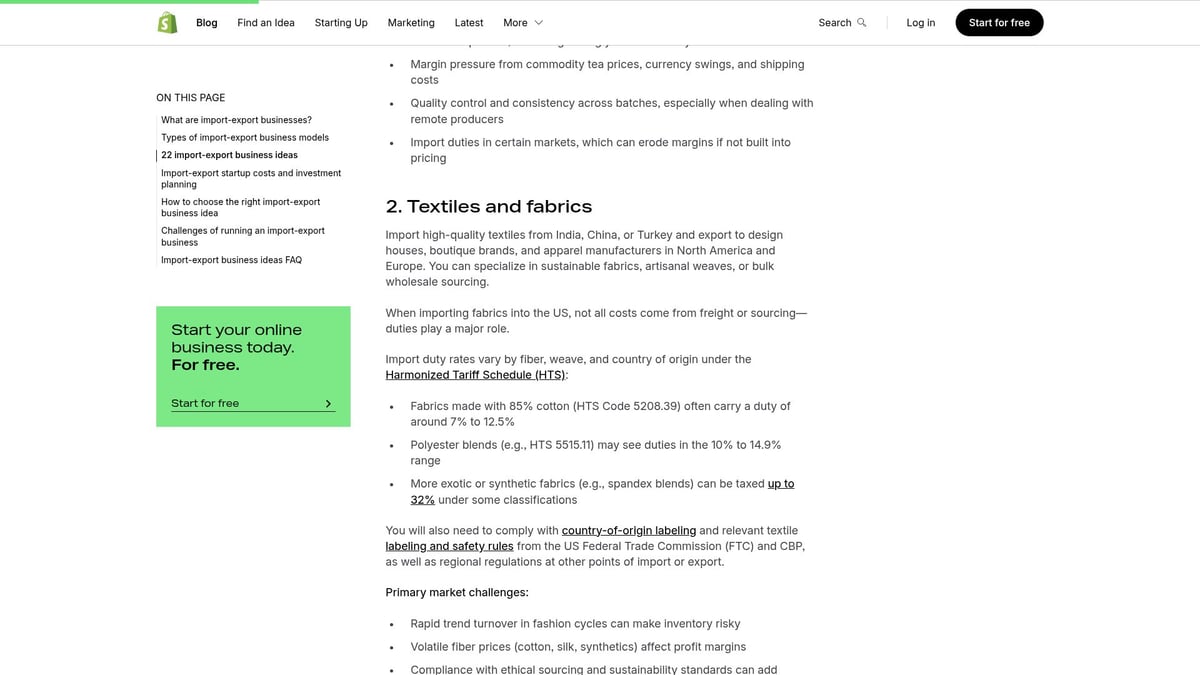
Entrepreneurs can supply apparel manufacturers, eco-friendly fashion labels, and interior designers looking for ethically sourced materials.
Pros:
Aligns with ESG (Environmental, Social, Governance) goals.
Growing segment with conscious consumers.
Cons:
Price volatility in raw materials.
Certification costs and supply chain transparency.
Example: Importing Turkish organic cotton to Australia for local brands exemplifies how import export business ideas can support both sustainability and profitability. Differentiation through quality and story is vital in this field.
5. Speciality Teas and Beverages
Unique beverages are a thriving category for import export business ideas. Premium loose-leaf teas, kombucha, and craft drinks attract consumers seeking both flavour and wellness benefits.
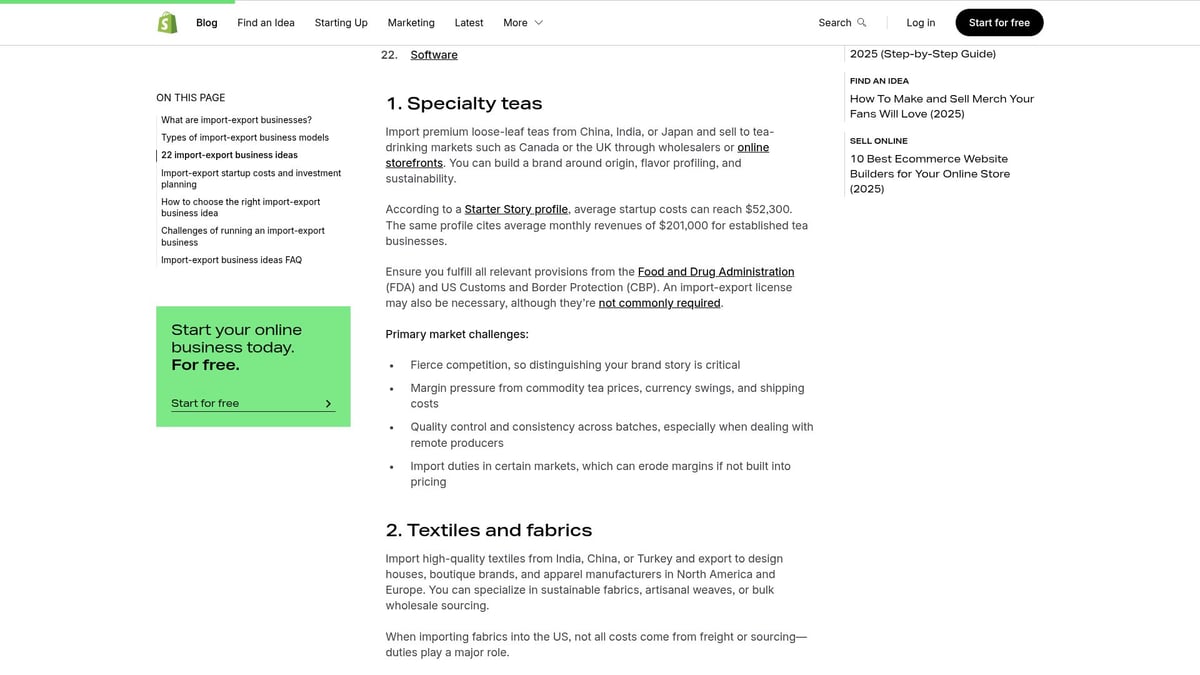
Entrepreneurs can build brands that celebrate origin, health attributes, and distinctive taste profiles. Target channels include cafés, boutique grocers, and direct-to-consumer online platforms.
Pros:
Strong brand differentiation.
Recurring customer demand.
Cons:
Intense competition in premium beverage space.
Quality control and logistics for perishables.
Example: Exporting Australian native teas to North America illustrates how creative import export business ideas can carve out a niche, especially with a compelling brand story and consistent quality.
6. Automotive Aftermarket Parts
Automotive aftermarket parts present robust import export business ideas, especially as electric vehicles (EVs) and car customisation gain momentum. Entrepreneurs can focus on EV components, performance upgrades, and rare spare parts.
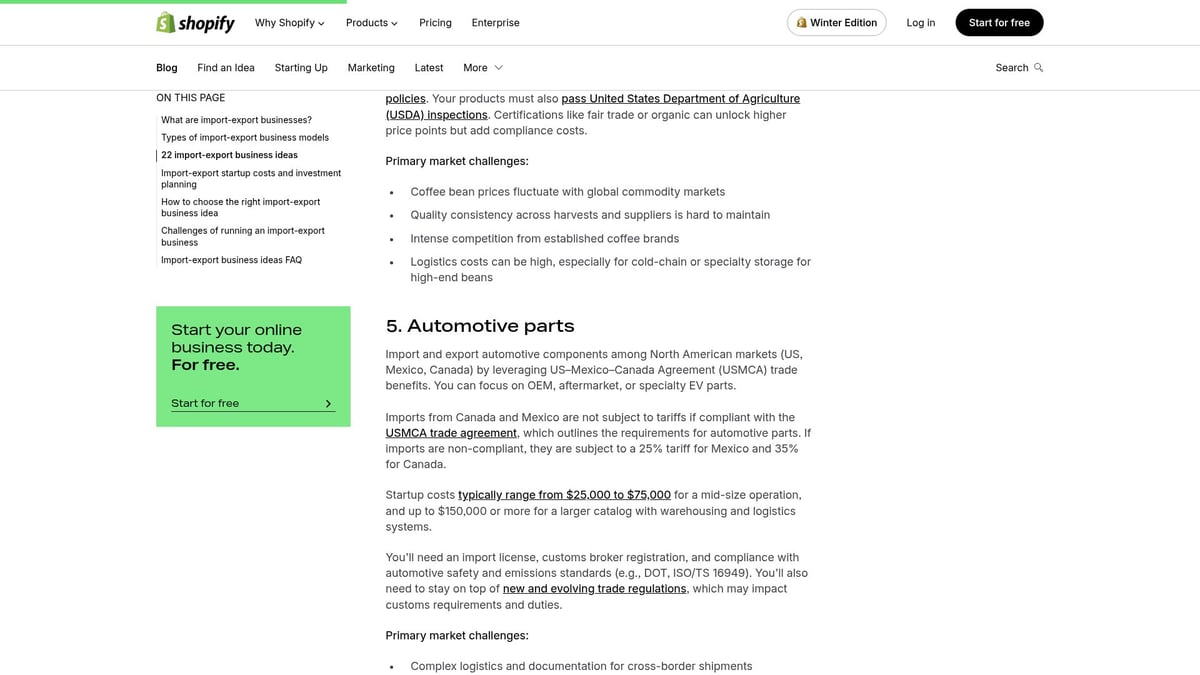
Target customers include mechanics, dealerships, and online auto parts retailers. The sector benefits from high-value shipments and opportunities in both B2B and B2C channels.
Pros:
High ticket sales and repeat business.
Expanding global automotive market.
Cons:
Regulatory compliance for safety and standards.
Inventory management complexities.
Example: Importing Japanese EV parts to Australia demonstrates strategic import export business ideas that serve growing segments and leverage international expertise.
7. Health and Beauty Tech Products
Health and beauty technology is a booming field for import export business ideas. Products like skincare devices, wearable health trackers, and clean beauty innovations are increasingly popular as consumers seek tech-enabled self-care solutions.
Entrepreneurs can target pharmacies, beauty retailers, and e-commerce platforms. This segment is driven by strong margins and trend-focused demand.
Pros:
Attractive profit potential.
Ability to ride emerging trends.
Cons:
Regulatory and certification hurdles.
Market saturation and rapid innovation cycles.
Example: Exporting Australian-made clean beauty tech to the US is a prime example of import export business ideas that fuse innovation, wellness, and international appeal.
8. Artisanal Handicrafts and Home Décor
Artisanal handicrafts and home décor offer some of the most distinctive import export business ideas for 2026. Handmade décor, indigenous artwork, and sustainable furnishings attract buyers seeking authenticity and story-driven products.
Entrepreneurs can supply interior designers, boutique shops, and online marketplaces. Supporting local artisans and sharing their stories can create a unique value proposition and foster customer loyalty. For those interested in how purposeful branding elevates niche import export business ideas, Purposeful branding in startups is a valuable resource.
Pros:
Unique, differentiated products.
Supports artisans and cultural heritage.
Cons:
Logistics challenges for fragile items.
Difficulty scaling production.
Example: Exporting Aboriginal art to Europe or importing Indian textiles to Australia illustrates how compelling import export business ideas can connect cultures and markets.
How to Choose the Right Import Export Business Idea
Choosing the right import export business ideas is a pivotal step for any entrepreneur entering global trade. Start by considering your own skills, professional network, and current market knowledge. The best import export business ideas often align with your expertise and connections, making it easier to navigate early challenges.
Next, evaluate the expected startup costs, required certifications, and potential regulatory demands for each opportunity. Some import export business ideas may require significant upfront investment or complex compliance, while others can be launched on a smaller scale with fewer hurdles.
Market research is essential. Analyse target markets for current demand, competition, and emerging trends. Ask yourself: Is there a growing customer base? Are there barriers to entry? A strong digital presence for startups can also help you reach new buyers and stand out in crowded markets.
Consider scalability and long-term growth potential. Will your chosen import export business ideas allow you to expand into new regions or add related products in future? Factor in logistics, supplier relationships, and risk management strategies from the outset.
Use the table below to compare key decision points:
Criteria | Questions to Ask |
|---|---|
Skills & Network | Do I have relevant experience? |
Startup & Compliance Costs | What certifications are needed? |
Market Demand & Trends | Is demand rising or falling? |
Scalability & Logistics | Can the business grow easily? |
Risk Management | How will I handle disruptions? |
Many successful import export business ideas start small and grow as the entrepreneur builds experience and trust with partners. Focus on building expertise and adaptability, and remember that every decision shapes your long-term success.
Startup Costs, Compliance & Key Steps to Launch
Launching import export business ideas in 2026 requires a clear understanding of costs, compliance, and strategic planning. While opportunities are promising, newcomers must prepare for both upfront investment and ongoing regulatory demands.
Typical Startup Costs
Cost Category | Estimated Range |
|---|---|
Product Sourcing | $2,000 – $50,000 |
Shipping & Logistics | $1,000 – $30,000 |
Customs & Duties | $500 – $10,000 |
Licensing & Permits | $500 – $5,000 |
Insurance | $1,000 – $10,000 |
Digital Presence | $2,000 – $20,000 |
Source: Shopify. Actual costs vary by sector and scale. |
Compliance Essentials
Every import export business idea must comply with regulations in both origin and destination markets. Key documentation includes:
Import/export licenses
Certificates of origin
Product compliance certificates
Adherence to Incoterms 2020
Market research and supplier vetting are vital to avoid costly missteps. Many entrepreneurs consult industry experts to navigate complex trade requirements. Access to business consulting for entrepreneurs can streamline compliance and provide strategic guidance.
Step-by-Step Launch Guide
Define your niche and target market
Register your business and secure licenses
Source reliable suppliers and vet logistics partners
Build a professional digital presence
Arrange insurance, contracts, and payment terms
Complete test shipments to ensure smooth processes
Startup costs for import export business ideas can range from a few thousand dollars for small-scale ventures to over $200,000 for complex operations. Careful planning, compliance, and expert advice will set the foundation for long-term growth and global success.
Overcoming Challenges in the Import Export Sector
Navigating the world of import export business ideas brings both opportunity and complexity. Entrepreneurs often face a landscape shaped by shifting regulations, economic pressures, and unpredictable logistics.
Common challenges include:
Tariffs and changing customs rules
Currency fluctuations
Supply chain disruptions
Delays in shipping and logistics
To manage these risks, savvy businesses diversify suppliers, secure comprehensive insurance, and use robust contracts. Recent data shows that trade tariffs are impacting global growth, which makes risk planning even more essential. For instance, the World Bank cuts 2025 growth outlook to 2.3% as trade tariffs weigh, highlighting the importance of proactive risk management.
Adopting digital tools and partnering with reliable logistics firms can streamline operations. Strong buyer and supplier relationships also help businesses adapt quickly to market changes.
Ongoing learning is vital. As the OECD Economic Outlook: Trade policy uncertainty weakens growth suggests, staying agile and informed supports resilience. Many successful import export business ideas began with setbacks, yet succeeded by embracing innovation and strategic partnerships.
After exploring these innovative import export business ideas and understanding the steps to turn your vision into reality, you might be wondering how to tailor these insights to your own journey. Whether you need help refining your business plan, building a strong brand, or navigating compliance and technology, you don’t have to do it alone. If you’re ready to take the next step with practical support and guidance, I invite you to Book a free consultation. Together, we can turn your 2026 success story into a reality—starting today.
Global trade is transforming at an unprecedented pace, creating both challenges and opportunities for entrepreneurs. As 2026 approaches, staying ahead means exploring import export business ideas that tap into new markets and innovative models.
This article reveals eight forward-thinking import export business ideas designed for those ready to succeed in the next wave of global commerce. You will discover emerging business models, unique product niches, and technology-driven opportunities that can set you apart.
Expect practical steps and insights, all backed by the latest trade growth statistics. If you are looking to seize the most lucrative opportunities, these actionable ideas will help you get started confidently.
The Future of Import Export: Trends Shaping 2026
The landscape for import export business ideas in 2026 is being shaped by powerful global trends. From rising trade volumes to digital innovation and growing sustainability demands, future entrepreneurs need to understand these forces to unlock new opportunities.
Global Trade Growth and Shifting Markets
Global trade is set to surpass $35 trillion in 2025, reflecting remarkable resilience despite recent economic uncertainty. According to the Economist and Shopify, goods trade is projected to grow by 3.3% into 2026. G20 nations continue to drive higher import and export volumes, with shifting consumer preferences and new markets emerging rapidly.
Trade agreements and the expansion of emerging economies are creating fertile ground for innovative import export business ideas. Entrepreneurs should monitor these market shifts and position themselves to seize fresh opportunities as global commerce evolves. For a closer look at the scale of change, see the global trade projected to surpass $35 trillion in 2025.
Technology and Digital Transformation
Technology is revolutionising the way import export business ideas are executed. Artificial intelligence, automation, and robust e-commerce platforms are streamlining cross-border operations. Tools like Shopify’s AI Sidekick simplify order management and market insights, while digital supply chain management and blockchain ensure product traceability.
These advancements lower barriers for small businesses, enabling them to compete globally. As technology adoption accelerates, expect even more import export business ideas to flourish in niche and value-driven sectors.
Sustainability and Ethical Sourcing
Sustainability is now a fundamental driver for import export business ideas. Consumers and regulators alike demand eco-friendly products and transparent supply chains. Regulatory changes in major markets require businesses to prove their products are responsibly sourced.
Entrepreneurs who prioritise sustainability and ethical sourcing can stand out in crowded markets. Certifications and traceability will become essential for those seeking to build trust and long-term value in 2026.
Regulatory and Tariff Considerations
The regulatory landscape for import export business ideas is becoming more complex. Evolving tariffs, customs requirements, and compliance challenges can impact costs and timelines. Recent shifts in global trade policy mean that businesses must stay agile and informed.
Adaptation is key. Many successful import export business ideas thrive by proactively managing compliance, investing in expert advice, and building robust logistics networks to navigate these changes.
Opportunities for Niche and Value-Added Products
Niche markets are on the rise, presenting unique opportunities for innovative import export business ideas. Products such as organic foods, artisanal goods, and tech-driven solutions are gaining traction. Brand storytelling, product differentiation, and value addition are now critical to success.
Entrepreneurs who leverage these trends can carve out strong positions in the global marketplace. By aligning with customer values and focusing on quality, import export business ideas can turn emerging trends into profitable ventures.
8 Innovative Import Export Business Ideas for 2026
The world of import export business ideas is rapidly evolving, and future-focused entrepreneurs need to stay ahead of trends. Below, we explore eight forward-thinking opportunities set to define global commerce in 2026. Each idea highlights a unique product niche, target market, and practical considerations for launching your import export business ideas in the coming years.
1. Renewable Energy Solutions
Renewable energy is fuelling some of the most exciting import export business ideas for 2026. As the world accelerates the transition to clean energy, there is unprecedented demand for solar panels, wind turbines, and advanced battery storage systems.
Entrepreneurs can import or export these products to capitalise on government incentives and the global push to reduce carbon emissions. Target customers include property developers, government agencies, and eco-conscious businesses seeking sustainable solutions.
Pros:
High demand and positive environmental impact.
Strong support from public policy and incentives.
Cons:
Navigating regulatory approvals can be challenging.
Complex logistics for large or sensitive equipment.
Example: Exporting Australian solar technology into Asia-Pacific markets is a prime example of leveraging local innovation for international growth. For those seeking import export business ideas aligned with global trends, renewable energy solutions offer both profitability and purpose.
2. Organic and Functional Foods
Health and wellness are shaping the next wave of import export business ideas. Organic produce, superfoods, and functional beverages are in high demand across developed and emerging markets alike.
Entrepreneurs should focus on products with recognised certifications, such as USDA Organic or EU Organic, to meet strict compliance and reassure discerning buyers. Target customers include health food retailers, supermarkets, and online wellness platforms.
Pros:
Premium pricing due to quality and certification.
Expanding global market for health products.
Cons:
Perishability and logistics challenges.
Navigating complex export regulations.
Example: Importing Peruvian maca root to Europe or exporting Australian organic honey to Asia demonstrates how import export business ideas in this niche can tap into lucrative wellness trends. Staying ahead with unique offerings and robust supplier relationships is key.
3. Smart Home and IoT Devices
The rise of smart homes is creating fresh import export business ideas centred on technology. Products like smart speakers, security systems, and connected appliances are increasingly sought after by tech-savvy consumers.
Entrepreneurs can benefit from importing or exporting these devices to markets where IoT adoption is booming. Target customers include electronics retailers, e-commerce stores, and real estate developers integrating smart solutions.
Pros:
High profit margins and rapid market growth.
Opportunities for product bundling and upselling.
Cons:
Fast product cycles require constant innovation.
Certification and compliance can be barriers.
Example: Exporting Australian-designed smart sensors to the US showcases how innovative import export business ideas can bridge markets hungry for digital transformation.
4. Sustainable Textiles and Eco-Fabrics
Sustainable textiles and eco-fabrics are rising stars among import export business ideas. Organic cotton, bamboo fabrics, and recycled materials are in strong demand as brands shift towards environmentally responsible supply chains.
Entrepreneurs can supply apparel manufacturers, eco-friendly fashion labels, and interior designers looking for ethically sourced materials.
Pros:
Aligns with ESG (Environmental, Social, Governance) goals.
Growing segment with conscious consumers.
Cons:
Price volatility in raw materials.
Certification costs and supply chain transparency.
Example: Importing Turkish organic cotton to Australia for local brands exemplifies how import export business ideas can support both sustainability and profitability. Differentiation through quality and story is vital in this field.
5. Speciality Teas and Beverages
Unique beverages are a thriving category for import export business ideas. Premium loose-leaf teas, kombucha, and craft drinks attract consumers seeking both flavour and wellness benefits.
Entrepreneurs can build brands that celebrate origin, health attributes, and distinctive taste profiles. Target channels include cafés, boutique grocers, and direct-to-consumer online platforms.
Pros:
Strong brand differentiation.
Recurring customer demand.
Cons:
Intense competition in premium beverage space.
Quality control and logistics for perishables.
Example: Exporting Australian native teas to North America illustrates how creative import export business ideas can carve out a niche, especially with a compelling brand story and consistent quality.
6. Automotive Aftermarket Parts
Automotive aftermarket parts present robust import export business ideas, especially as electric vehicles (EVs) and car customisation gain momentum. Entrepreneurs can focus on EV components, performance upgrades, and rare spare parts.
Target customers include mechanics, dealerships, and online auto parts retailers. The sector benefits from high-value shipments and opportunities in both B2B and B2C channels.
Pros:
High ticket sales and repeat business.
Expanding global automotive market.
Cons:
Regulatory compliance for safety and standards.
Inventory management complexities.
Example: Importing Japanese EV parts to Australia demonstrates strategic import export business ideas that serve growing segments and leverage international expertise.
7. Health and Beauty Tech Products
Health and beauty technology is a booming field for import export business ideas. Products like skincare devices, wearable health trackers, and clean beauty innovations are increasingly popular as consumers seek tech-enabled self-care solutions.
Entrepreneurs can target pharmacies, beauty retailers, and e-commerce platforms. This segment is driven by strong margins and trend-focused demand.
Pros:
Attractive profit potential.
Ability to ride emerging trends.
Cons:
Regulatory and certification hurdles.
Market saturation and rapid innovation cycles.
Example: Exporting Australian-made clean beauty tech to the US is a prime example of import export business ideas that fuse innovation, wellness, and international appeal.
8. Artisanal Handicrafts and Home Décor
Artisanal handicrafts and home décor offer some of the most distinctive import export business ideas for 2026. Handmade décor, indigenous artwork, and sustainable furnishings attract buyers seeking authenticity and story-driven products.
Entrepreneurs can supply interior designers, boutique shops, and online marketplaces. Supporting local artisans and sharing their stories can create a unique value proposition and foster customer loyalty. For those interested in how purposeful branding elevates niche import export business ideas, Purposeful branding in startups is a valuable resource.
Pros:
Unique, differentiated products.
Supports artisans and cultural heritage.
Cons:
Logistics challenges for fragile items.
Difficulty scaling production.
Example: Exporting Aboriginal art to Europe or importing Indian textiles to Australia illustrates how compelling import export business ideas can connect cultures and markets.
How to Choose the Right Import Export Business Idea
Choosing the right import export business ideas is a pivotal step for any entrepreneur entering global trade. Start by considering your own skills, professional network, and current market knowledge. The best import export business ideas often align with your expertise and connections, making it easier to navigate early challenges.
Next, evaluate the expected startup costs, required certifications, and potential regulatory demands for each opportunity. Some import export business ideas may require significant upfront investment or complex compliance, while others can be launched on a smaller scale with fewer hurdles.
Market research is essential. Analyse target markets for current demand, competition, and emerging trends. Ask yourself: Is there a growing customer base? Are there barriers to entry? A strong digital presence for startups can also help you reach new buyers and stand out in crowded markets.
Consider scalability and long-term growth potential. Will your chosen import export business ideas allow you to expand into new regions or add related products in future? Factor in logistics, supplier relationships, and risk management strategies from the outset.
Use the table below to compare key decision points:
Criteria | Questions to Ask |
|---|---|
Skills & Network | Do I have relevant experience? |
Startup & Compliance Costs | What certifications are needed? |
Market Demand & Trends | Is demand rising or falling? |
Scalability & Logistics | Can the business grow easily? |
Risk Management | How will I handle disruptions? |
Many successful import export business ideas start small and grow as the entrepreneur builds experience and trust with partners. Focus on building expertise and adaptability, and remember that every decision shapes your long-term success.
Startup Costs, Compliance & Key Steps to Launch
Launching import export business ideas in 2026 requires a clear understanding of costs, compliance, and strategic planning. While opportunities are promising, newcomers must prepare for both upfront investment and ongoing regulatory demands.
Typical Startup Costs
Cost Category | Estimated Range |
|---|---|
Product Sourcing | $2,000 – $50,000 |
Shipping & Logistics | $1,000 – $30,000 |
Customs & Duties | $500 – $10,000 |
Licensing & Permits | $500 – $5,000 |
Insurance | $1,000 – $10,000 |
Digital Presence | $2,000 – $20,000 |
Source: Shopify. Actual costs vary by sector and scale. |
Compliance Essentials
Every import export business idea must comply with regulations in both origin and destination markets. Key documentation includes:
Import/export licenses
Certificates of origin
Product compliance certificates
Adherence to Incoterms 2020
Market research and supplier vetting are vital to avoid costly missteps. Many entrepreneurs consult industry experts to navigate complex trade requirements. Access to business consulting for entrepreneurs can streamline compliance and provide strategic guidance.
Step-by-Step Launch Guide
Define your niche and target market
Register your business and secure licenses
Source reliable suppliers and vet logistics partners
Build a professional digital presence
Arrange insurance, contracts, and payment terms
Complete test shipments to ensure smooth processes
Startup costs for import export business ideas can range from a few thousand dollars for small-scale ventures to over $200,000 for complex operations. Careful planning, compliance, and expert advice will set the foundation for long-term growth and global success.
Overcoming Challenges in the Import Export Sector
Navigating the world of import export business ideas brings both opportunity and complexity. Entrepreneurs often face a landscape shaped by shifting regulations, economic pressures, and unpredictable logistics.
Common challenges include:
Tariffs and changing customs rules
Currency fluctuations
Supply chain disruptions
Delays in shipping and logistics
To manage these risks, savvy businesses diversify suppliers, secure comprehensive insurance, and use robust contracts. Recent data shows that trade tariffs are impacting global growth, which makes risk planning even more essential. For instance, the World Bank cuts 2025 growth outlook to 2.3% as trade tariffs weigh, highlighting the importance of proactive risk management.
Adopting digital tools and partnering with reliable logistics firms can streamline operations. Strong buyer and supplier relationships also help businesses adapt quickly to market changes.
Ongoing learning is vital. As the OECD Economic Outlook: Trade policy uncertainty weakens growth suggests, staying agile and informed supports resilience. Many successful import export business ideas began with setbacks, yet succeeded by embracing innovation and strategic partnerships.
After exploring these innovative import export business ideas and understanding the steps to turn your vision into reality, you might be wondering how to tailor these insights to your own journey. Whether you need help refining your business plan, building a strong brand, or navigating compliance and technology, you don’t have to do it alone. If you’re ready to take the next step with practical support and guidance, I invite you to Book a free consultation. Together, we can turn your 2026 success story into a reality—starting today.