9 Innovative Local Business Ideas to Try in 2026
9 Innovative Local Business Ideas to Try in 2026
9 Innovative Local Business Ideas to Try in 2026
Dec 18, 2025
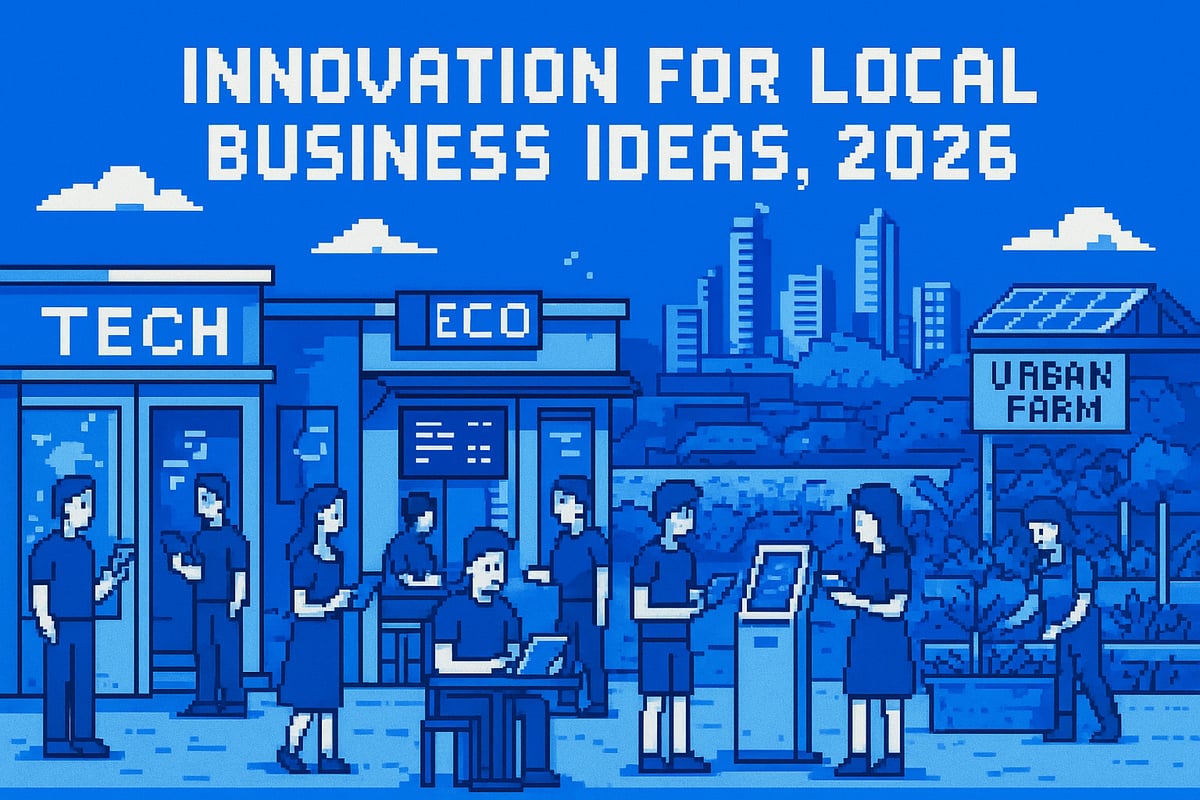
The pace of change within local business is accelerating, reshaping how entrepreneurs approach their communities in 2026. New consumer habits and emerging technologies are driving a fresh wave of opportunity.
This article uncovers nine innovative local business ideas that stand out for their forward-thinking approach and strong potential for success in the near future.
From tech-enabled services to eco-conscious ventures, these ideas reflect the most dynamic trends set to define the next era of local commerce.
If you are ready to explore the future of entrepreneurship, discover actionable inspiration and consider launching your own business in a rapidly evolving market.
Why Innovation is Vital for Local Businesses in 2026
The landscape for local business ideas is changing at an unprecedented pace as we approach 2026. Consumer habits, technological advances, and economic pressures are reshaping what it means to run a successful local enterprise. For those considering new local business ideas, innovation is not just a buzzword, but a necessity for survival and growth.
Today's consumers expect more than just products or services; they demand experiences, convenience, and personalisation. The rise of remote work and ongoing digital transformation are driving new opportunities and challenges alike. According to the Digital Lives of Australians 2025 report, small businesses are increasingly relying on digital tools to engage customers and streamline operations. This shift has made it essential for any local business ideas to incorporate technology from the outset, whether through online booking, mobile apps, or digital payment solutions.
Economic shifts following the 2020s have also put pressure on traditional business models. Australians are showing a clear preference for brands that bring something new to their communities. In fact, 72% of Australians say they prefer to support innovative local brands (Statista, 2025). This trend is driving a surge in demand for unique, community-focused offerings. When developing local business ideas, it is vital to consider how your venture can stand out and create value beyond the basics.
Traditional local businesses have faced significant challenges, from rising costs to increased competition from national and global players. Those that have thrived are often the ones that embraced change and pivoted quickly. For example, some cafés shifted to online ordering and delivery, while local retailers launched virtual shopping experiences. These pivots highlight the resilience that comes from adopting innovative local business ideas and being willing to experiment.
Sustainability, digital integration, and personalised experiences are no longer optional. Customers are looking for businesses that align with their values and use technology to make life easier. The year 2026 marks a pivotal point: new entrants with creative local business ideas can disrupt established markets and build lasting connections with their communities.
Below is a summary of the key drivers shaping innovation for local businesses in 2026:
Driver of Innovation | Impact on Local Business Ideas |
|---|---|
Digital Transformation | Enables scalable, tech-driven customer experiences |
Consumer Expectations | Increases demand for unique, personalised offerings |
Sustainability | Fosters loyalty among eco-conscious customers |
Economic Shifts | Creates opportunities for new, community-focused models |
To succeed, entrepreneurs must stay informed, agile, and ready to adapt. Embracing innovation in your local business ideas is the surest way to remain relevant and resilient in the years ahead.
9 Innovative Local Business Ideas to Try in 2026
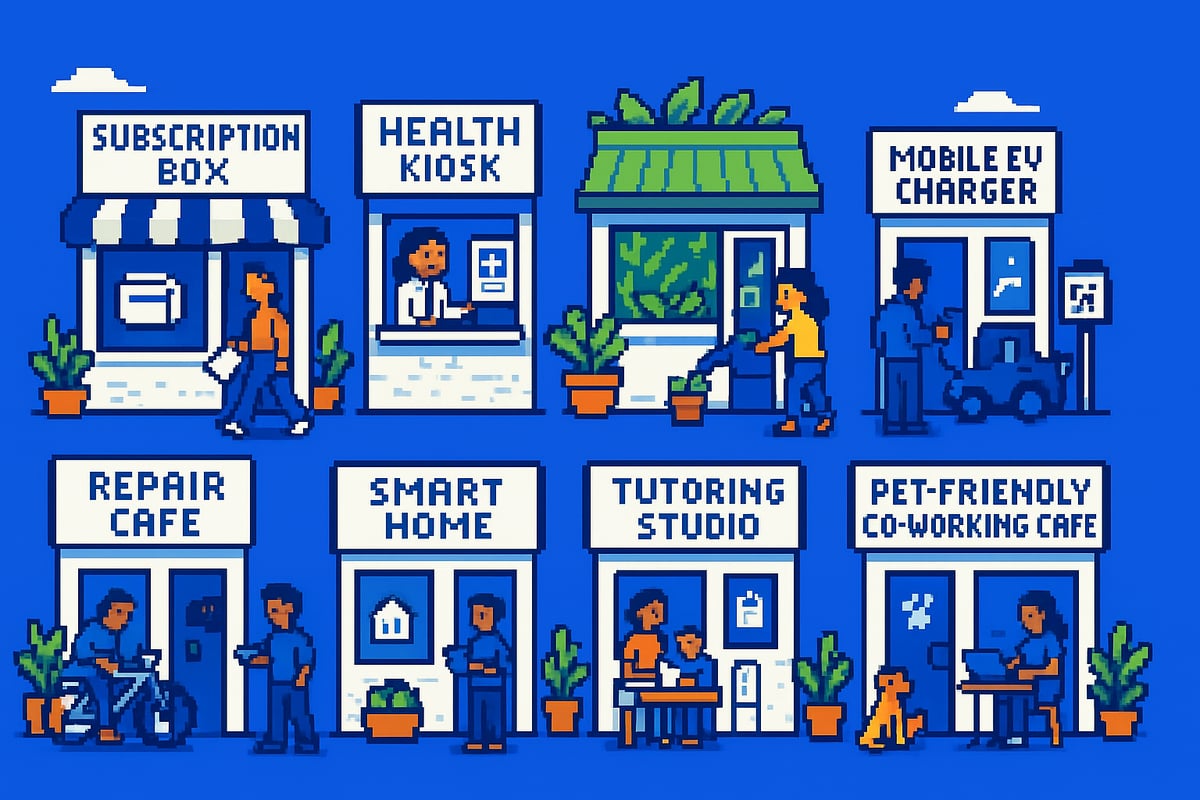
Exploring new local business ideas is more important than ever as communities evolve and technology continues to reshape our daily lives. In 2026, entrepreneurs have a unique opportunity to launch ventures that blend innovation, sustainability, and local connection. Below, we explore nine forward-thinking local business ideas that can help you make an impact in your area. If you are interested in the creative process behind these ventures, you might find Design thinking for business innovation a helpful resource.
1. Hyperlocal Subscription Box Services
Hyperlocal subscription box services are one of the most promising local business ideas for 2026. These businesses curate locally sourced products and deliver them to customers each month, focusing on themes like food, wellness, or eco-friendly living.
Key features include customisable boxes, direct partnerships with artisans, and flexible subscription models. Customers enjoy discovering new local favourites without leaving home.
Benefits:
Supports local makers
Ultimate convenience for subscribers
Builds a sense of community
Target audiences are busy families, thoughtful gift buyers, and anyone who loves supporting local. The recurring revenue model is a notable advantage, but managing logistics and competing with larger brands can be challenging.
For example, “Melbourne Made” boxes showcase regional delicacies and crafts, highlighting the value of local business ideas in a subscription format.
2. AI-Powered Personal Health Kiosks
AI-powered personal health kiosks are reshaping healthcare accessibility and are fast becoming one of the most impactful local business ideas. These smart kiosks can be installed in neighbourhood centres or shopping precincts, offering real-time health checks and telehealth integration.
Features include quick diagnostics, tailored wellness tips, and the ability to connect users with healthcare professionals remotely. This innovation provides accessible and preventative care to elderly residents, busy professionals, and families.
Pros:
Scalable across multiple locations
Bridges gaps in community healthcare
Cons:
Navigating regulatory requirements
Maintaining up-to-date technology
In 2025, Sydney piloted kiosks in shopping centres, demonstrating how these local business ideas can improve public health infrastructure.
3. Urban Micro-Farming Hubs
Urban micro-farming hubs are transforming vacant city spaces into productive, sustainable food sources. This is an inspiring example of local business ideas meeting environmental and nutritional needs.
Features involve hydroponic systems, vertical gardens, and educational workshops. These hubs provide fresh produce to urban dwellers, schools, and restaurants while building community resilience.
Benefits:
Reduced carbon footprint
Local food security
Challenges include initial investment and the need for horticultural expertise. However, ventures like GreenSpace Farms in Brisbane have shown how these local business ideas can thrive with the right support and education.
4. Mobile EV Charging Services
Mobile EV charging services are emerging as essential local business ideas in response to the growing adoption of electric vehicles. Instead of relying solely on fixed charging stations, these businesses use mobile units that can be booked via an app.
Key features include fast charging, subscription packages, and on-demand services for city commuters and event organisers. This model helps support Australia’s transition to cleaner transport.
Advantages:
Scalable business model
Encourages environmental responsibility
Drawbacks include the need for a vehicle fleet and keeping pace with new charging standards. The Charge2Go pilot in Perth illustrates how these local business ideas can address infrastructure gaps in real time.
5. Community-Focused Repair Cafés
Community-focused repair cafés are one of the most socially impactful local business ideas. These spaces, whether pop-up or permanent, offer skilled volunteers, workshops, and tool libraries to help locals repair and upcycle household items.
Features include group repair sessions and educational events on sustainability. The model reduces landfill waste and fosters lasting community connections.
Pros:
Low operating costs
Significant social and environmental benefits
Cons:
Reliant on volunteer commitment
Potential funding constraints
The Repair Café Australia network is a leading example, showing how local business ideas like these can empower communities and promote a circular economy.
6. Smart Home Installation & Automation Services
Smart home installation and automation services are set to become highly sought-after local business ideas as more Australians seek energy efficiency and convenience. These businesses offer consultations, integration of smart devices, and ongoing support.
Key features include AI-driven solutions, personalised recommendations, and maintenance packages. This appeals to homeowners, tech enthusiasts, and seniors looking for added security and comfort.
Pros:
High demand for smart solutions
Potential for ongoing service revenue
Cons:
Requires technical expertise
Staying updated with rapidly evolving technology
Smartify Solutions in Adelaide demonstrates how local business ideas in this sector can deliver long-term value to clients.
7. Experiential Pop-Up Retail Spaces
Experiential pop-up retail spaces are reinventing traditional shopping and are among the most creative local business ideas for 2026. These spaces host rotating brands, interactive events, and digital integrations to attract and engage customers.
Features include themed décor, immersive product demos, and collaborations with local artists. This model drives foot traffic and offers a platform for emerging brands.
Benefits:
Flexible, short-term leases
Generates buzz and excitement
Challenges include seasonal demand and setup expenses. The Locale in Melbourne exemplifies how these local business ideas can revitalise unused spaces and support creative entrepreneurship.
8. Personalised Learning & Tutoring Studios
Personalised learning and tutoring studios are innovative local business ideas that use AI and VR to tailor education for students and adult learners. These studios blend in-person and virtual learning, adapting to each client’s needs.
Features include adaptive curriculums, interactive platforms, and flexible scheduling. The approach delivers improved academic outcomes and appeals to parents seeking modern educational solutions.
Pros:
Strong demand for personalised education
Technology-driven differentiation
Cons:
Compliance with education regulations
Initial investment in tech infrastructure
EduNext Studios in Sydney shows how these local business ideas can transform traditional tutoring with innovative technology.
9. Pet-Friendly Co-Working Cafés
Pet-friendly co-working cafés are unique local business ideas catering to remote workers who want to bring their pets to work. These spaces combine high-speed Wi-Fi, dedicated pet zones, and healthy snacks for both humans and animals.
Key features include community-building events, flexible membership plans, and amenities for pet care. This concept appeals to freelancers, digital nomads, and pet lovers seeking a welcoming workspace.
Pros:
Distinctive market niche
Loyal, recurring customer base
Cons:
Navigating zoning and hygiene rules
Managing pet-related logistics
PawWork Café in Brisbane is a standout example, showing how local business ideas can blend work, community, and pet-friendly culture in one inviting space.
How to Validate and Launch Your Local Business Idea in 2026
Validating and launching local business ideas in 2026 requires a structured and data-driven approach. Start by understanding your target market. Use digital tools like online surveys, social media polls, and competitor analysis to gauge demand for your local business ideas. Test assumptions with real data and look for gaps your business can fill in the community.

Researching Demand for Local Business Ideas
Begin by mapping out your target audience and their needs. Use tools like Google Trends, local Facebook groups, and community forums to identify interest in your local business ideas. According to IBISWorld, 64% of successful new local businesses in 2025 tested their idea before a full launch. This statistic shows the importance of validation before investing heavily.
Conduct digital surveys and interviews.
Analyse existing competitors and their customer reviews.
Seek feedback from local community leaders.
Prototyping and Testing Your Concept
Next, create a minimum viable product (MVP) to test your concept quickly. This could be a sample service, a pop-up event, or a pilot version of your product. Offer it to a small group and collect honest feedback. Adjust your offering based on insights, focusing on what resonates most with your audience.
Run a limited-time pilot program.
Use workshops or sampling events for direct feedback.
Track engagement and make quick iterations.
Navigating Regulations and Permits
Before scaling, ensure you comply with all local regulations. This includes business registration, council permits, and meeting safety or health codes. Research requirements early to avoid delays and unexpected costs. Consult with local authorities or business consultants for guidance.
Leveraging Community Feedback
Engage your community through workshops, pop-ups, or online forums. Listen to concerns and suggestions, then refine your local business ideas accordingly. Community support can generate early buzz and trust, making your launch smoother.
Host Q&A sessions or open days.
Use social media to gather opinions.
Offer pre-sales or exclusive previews to early adopters.
Building Traction and Securing Support
A robust marketing strategy is vital for getting noticed. Leverage digital channels, social media, and local partnerships to build momentum. For best results, consider building a strong digital presence to reach your target audience efficiently.
To secure funding, explore grants, crowdfunding, and local business networks. Partnerships with complementary businesses can expand your reach.
A Sydney-based urban farm, for example, validated its concept using local workshops and pre-sales, gathering valuable insights before launch. This approach can help ensure your local business ideas are ready for success in 2026.
Future Trends Shaping Local Business Success
The future of local business ideas is being shaped by rapid advances in technology. Artificial intelligence, automation, and the Internet of Things are transforming how businesses operate, from streamlining inventory to enabling smarter customer interactions. Many Australian enterprises are already adopting AI for efficiency and growth, as highlighted in the AI adoption in Australian businesses 2025 Q1 report. These tools not only boost productivity but also create new opportunities for local business ideas to thrive in a digital-first landscape.
Sustainability and ethical sourcing are also moving to the forefront. Consumers are seeking transparency and purpose in their purchases, favouring brands that minimise their environmental footprint and support local communities. The trend towards community-focused business models is stronger than ever, as discussed in Australians favouring local post-pandemic. This shift offers a competitive edge for those who integrate sustainable practices and foster genuine community connections.
Looking ahead, personalisation and digital integration will define successful local business ideas. According to recent data, 58% of Australian consumers expect local businesses to provide digital services by 2026. Businesses that offer tailored experiences, rapid online support, and flexible services will attract loyal customers. Staying agile and embracing these trends will be essential for any entrepreneur aiming to launch or grow in the evolving local market.
As you explore these innovative business ideas for 2026, you might be inspired to bring your own vision to life. Navigating the path from concept to launch can feel overwhelming, but you don’t have to do it alone. Whether you need guidance developing a business plan, crafting your brand identity, or integrating the latest technologies, expert support can make all the difference. If you’re ready to take the first step or just want to talk through your ideas, you can Book a free consultation and get personalised advice tailored to your goals and local market.
The pace of change within local business is accelerating, reshaping how entrepreneurs approach their communities in 2026. New consumer habits and emerging technologies are driving a fresh wave of opportunity.
This article uncovers nine innovative local business ideas that stand out for their forward-thinking approach and strong potential for success in the near future.
From tech-enabled services to eco-conscious ventures, these ideas reflect the most dynamic trends set to define the next era of local commerce.
If you are ready to explore the future of entrepreneurship, discover actionable inspiration and consider launching your own business in a rapidly evolving market.
Why Innovation is Vital for Local Businesses in 2026
The landscape for local business ideas is changing at an unprecedented pace as we approach 2026. Consumer habits, technological advances, and economic pressures are reshaping what it means to run a successful local enterprise. For those considering new local business ideas, innovation is not just a buzzword, but a necessity for survival and growth.
Today's consumers expect more than just products or services; they demand experiences, convenience, and personalisation. The rise of remote work and ongoing digital transformation are driving new opportunities and challenges alike. According to the Digital Lives of Australians 2025 report, small businesses are increasingly relying on digital tools to engage customers and streamline operations. This shift has made it essential for any local business ideas to incorporate technology from the outset, whether through online booking, mobile apps, or digital payment solutions.
Economic shifts following the 2020s have also put pressure on traditional business models. Australians are showing a clear preference for brands that bring something new to their communities. In fact, 72% of Australians say they prefer to support innovative local brands (Statista, 2025). This trend is driving a surge in demand for unique, community-focused offerings. When developing local business ideas, it is vital to consider how your venture can stand out and create value beyond the basics.
Traditional local businesses have faced significant challenges, from rising costs to increased competition from national and global players. Those that have thrived are often the ones that embraced change and pivoted quickly. For example, some cafés shifted to online ordering and delivery, while local retailers launched virtual shopping experiences. These pivots highlight the resilience that comes from adopting innovative local business ideas and being willing to experiment.
Sustainability, digital integration, and personalised experiences are no longer optional. Customers are looking for businesses that align with their values and use technology to make life easier. The year 2026 marks a pivotal point: new entrants with creative local business ideas can disrupt established markets and build lasting connections with their communities.
Below is a summary of the key drivers shaping innovation for local businesses in 2026:
Driver of Innovation | Impact on Local Business Ideas |
|---|---|
Digital Transformation | Enables scalable, tech-driven customer experiences |
Consumer Expectations | Increases demand for unique, personalised offerings |
Sustainability | Fosters loyalty among eco-conscious customers |
Economic Shifts | Creates opportunities for new, community-focused models |
To succeed, entrepreneurs must stay informed, agile, and ready to adapt. Embracing innovation in your local business ideas is the surest way to remain relevant and resilient in the years ahead.
9 Innovative Local Business Ideas to Try in 2026
Exploring new local business ideas is more important than ever as communities evolve and technology continues to reshape our daily lives. In 2026, entrepreneurs have a unique opportunity to launch ventures that blend innovation, sustainability, and local connection. Below, we explore nine forward-thinking local business ideas that can help you make an impact in your area. If you are interested in the creative process behind these ventures, you might find Design thinking for business innovation a helpful resource.
1. Hyperlocal Subscription Box Services
Hyperlocal subscription box services are one of the most promising local business ideas for 2026. These businesses curate locally sourced products and deliver them to customers each month, focusing on themes like food, wellness, or eco-friendly living.
Key features include customisable boxes, direct partnerships with artisans, and flexible subscription models. Customers enjoy discovering new local favourites without leaving home.
Benefits:
Supports local makers
Ultimate convenience for subscribers
Builds a sense of community
Target audiences are busy families, thoughtful gift buyers, and anyone who loves supporting local. The recurring revenue model is a notable advantage, but managing logistics and competing with larger brands can be challenging.
For example, “Melbourne Made” boxes showcase regional delicacies and crafts, highlighting the value of local business ideas in a subscription format.
2. AI-Powered Personal Health Kiosks
AI-powered personal health kiosks are reshaping healthcare accessibility and are fast becoming one of the most impactful local business ideas. These smart kiosks can be installed in neighbourhood centres or shopping precincts, offering real-time health checks and telehealth integration.
Features include quick diagnostics, tailored wellness tips, and the ability to connect users with healthcare professionals remotely. This innovation provides accessible and preventative care to elderly residents, busy professionals, and families.
Pros:
Scalable across multiple locations
Bridges gaps in community healthcare
Cons:
Navigating regulatory requirements
Maintaining up-to-date technology
In 2025, Sydney piloted kiosks in shopping centres, demonstrating how these local business ideas can improve public health infrastructure.
3. Urban Micro-Farming Hubs
Urban micro-farming hubs are transforming vacant city spaces into productive, sustainable food sources. This is an inspiring example of local business ideas meeting environmental and nutritional needs.
Features involve hydroponic systems, vertical gardens, and educational workshops. These hubs provide fresh produce to urban dwellers, schools, and restaurants while building community resilience.
Benefits:
Reduced carbon footprint
Local food security
Challenges include initial investment and the need for horticultural expertise. However, ventures like GreenSpace Farms in Brisbane have shown how these local business ideas can thrive with the right support and education.
4. Mobile EV Charging Services
Mobile EV charging services are emerging as essential local business ideas in response to the growing adoption of electric vehicles. Instead of relying solely on fixed charging stations, these businesses use mobile units that can be booked via an app.
Key features include fast charging, subscription packages, and on-demand services for city commuters and event organisers. This model helps support Australia’s transition to cleaner transport.
Advantages:
Scalable business model
Encourages environmental responsibility
Drawbacks include the need for a vehicle fleet and keeping pace with new charging standards. The Charge2Go pilot in Perth illustrates how these local business ideas can address infrastructure gaps in real time.
5. Community-Focused Repair Cafés
Community-focused repair cafés are one of the most socially impactful local business ideas. These spaces, whether pop-up or permanent, offer skilled volunteers, workshops, and tool libraries to help locals repair and upcycle household items.
Features include group repair sessions and educational events on sustainability. The model reduces landfill waste and fosters lasting community connections.
Pros:
Low operating costs
Significant social and environmental benefits
Cons:
Reliant on volunteer commitment
Potential funding constraints
The Repair Café Australia network is a leading example, showing how local business ideas like these can empower communities and promote a circular economy.
6. Smart Home Installation & Automation Services
Smart home installation and automation services are set to become highly sought-after local business ideas as more Australians seek energy efficiency and convenience. These businesses offer consultations, integration of smart devices, and ongoing support.
Key features include AI-driven solutions, personalised recommendations, and maintenance packages. This appeals to homeowners, tech enthusiasts, and seniors looking for added security and comfort.
Pros:
High demand for smart solutions
Potential for ongoing service revenue
Cons:
Requires technical expertise
Staying updated with rapidly evolving technology
Smartify Solutions in Adelaide demonstrates how local business ideas in this sector can deliver long-term value to clients.
7. Experiential Pop-Up Retail Spaces
Experiential pop-up retail spaces are reinventing traditional shopping and are among the most creative local business ideas for 2026. These spaces host rotating brands, interactive events, and digital integrations to attract and engage customers.
Features include themed décor, immersive product demos, and collaborations with local artists. This model drives foot traffic and offers a platform for emerging brands.
Benefits:
Flexible, short-term leases
Generates buzz and excitement
Challenges include seasonal demand and setup expenses. The Locale in Melbourne exemplifies how these local business ideas can revitalise unused spaces and support creative entrepreneurship.
8. Personalised Learning & Tutoring Studios
Personalised learning and tutoring studios are innovative local business ideas that use AI and VR to tailor education for students and adult learners. These studios blend in-person and virtual learning, adapting to each client’s needs.
Features include adaptive curriculums, interactive platforms, and flexible scheduling. The approach delivers improved academic outcomes and appeals to parents seeking modern educational solutions.
Pros:
Strong demand for personalised education
Technology-driven differentiation
Cons:
Compliance with education regulations
Initial investment in tech infrastructure
EduNext Studios in Sydney shows how these local business ideas can transform traditional tutoring with innovative technology.
9. Pet-Friendly Co-Working Cafés
Pet-friendly co-working cafés are unique local business ideas catering to remote workers who want to bring their pets to work. These spaces combine high-speed Wi-Fi, dedicated pet zones, and healthy snacks for both humans and animals.
Key features include community-building events, flexible membership plans, and amenities for pet care. This concept appeals to freelancers, digital nomads, and pet lovers seeking a welcoming workspace.
Pros:
Distinctive market niche
Loyal, recurring customer base
Cons:
Navigating zoning and hygiene rules
Managing pet-related logistics
PawWork Café in Brisbane is a standout example, showing how local business ideas can blend work, community, and pet-friendly culture in one inviting space.
How to Validate and Launch Your Local Business Idea in 2026
Validating and launching local business ideas in 2026 requires a structured and data-driven approach. Start by understanding your target market. Use digital tools like online surveys, social media polls, and competitor analysis to gauge demand for your local business ideas. Test assumptions with real data and look for gaps your business can fill in the community.
Researching Demand for Local Business Ideas
Begin by mapping out your target audience and their needs. Use tools like Google Trends, local Facebook groups, and community forums to identify interest in your local business ideas. According to IBISWorld, 64% of successful new local businesses in 2025 tested their idea before a full launch. This statistic shows the importance of validation before investing heavily.
Conduct digital surveys and interviews.
Analyse existing competitors and their customer reviews.
Seek feedback from local community leaders.
Prototyping and Testing Your Concept
Next, create a minimum viable product (MVP) to test your concept quickly. This could be a sample service, a pop-up event, or a pilot version of your product. Offer it to a small group and collect honest feedback. Adjust your offering based on insights, focusing on what resonates most with your audience.
Run a limited-time pilot program.
Use workshops or sampling events for direct feedback.
Track engagement and make quick iterations.
Navigating Regulations and Permits
Before scaling, ensure you comply with all local regulations. This includes business registration, council permits, and meeting safety or health codes. Research requirements early to avoid delays and unexpected costs. Consult with local authorities or business consultants for guidance.
Leveraging Community Feedback
Engage your community through workshops, pop-ups, or online forums. Listen to concerns and suggestions, then refine your local business ideas accordingly. Community support can generate early buzz and trust, making your launch smoother.
Host Q&A sessions or open days.
Use social media to gather opinions.
Offer pre-sales or exclusive previews to early adopters.
Building Traction and Securing Support
A robust marketing strategy is vital for getting noticed. Leverage digital channels, social media, and local partnerships to build momentum. For best results, consider building a strong digital presence to reach your target audience efficiently.
To secure funding, explore grants, crowdfunding, and local business networks. Partnerships with complementary businesses can expand your reach.
A Sydney-based urban farm, for example, validated its concept using local workshops and pre-sales, gathering valuable insights before launch. This approach can help ensure your local business ideas are ready for success in 2026.
Future Trends Shaping Local Business Success
The future of local business ideas is being shaped by rapid advances in technology. Artificial intelligence, automation, and the Internet of Things are transforming how businesses operate, from streamlining inventory to enabling smarter customer interactions. Many Australian enterprises are already adopting AI for efficiency and growth, as highlighted in the AI adoption in Australian businesses 2025 Q1 report. These tools not only boost productivity but also create new opportunities for local business ideas to thrive in a digital-first landscape.
Sustainability and ethical sourcing are also moving to the forefront. Consumers are seeking transparency and purpose in their purchases, favouring brands that minimise their environmental footprint and support local communities. The trend towards community-focused business models is stronger than ever, as discussed in Australians favouring local post-pandemic. This shift offers a competitive edge for those who integrate sustainable practices and foster genuine community connections.
Looking ahead, personalisation and digital integration will define successful local business ideas. According to recent data, 58% of Australian consumers expect local businesses to provide digital services by 2026. Businesses that offer tailored experiences, rapid online support, and flexible services will attract loyal customers. Staying agile and embracing these trends will be essential for any entrepreneur aiming to launch or grow in the evolving local market.
As you explore these innovative business ideas for 2026, you might be inspired to bring your own vision to life. Navigating the path from concept to launch can feel overwhelming, but you don’t have to do it alone. Whether you need guidance developing a business plan, crafting your brand identity, or integrating the latest technologies, expert support can make all the difference. If you’re ready to take the first step or just want to talk through your ideas, you can Book a free consultation and get personalised advice tailored to your goals and local market.