8 Innovative Low Capital Business Ideas for 2026 Success

8 Innovative Low Capital Business Ideas for 2026 Success
8 Innovative Low Capital Business Ideas for 2026 Success
Dec 21, 2025
Entrepreneurship is booming, with more Australians seeking ways to launch their own ventures. The search for low capital business ideas is at an all-time high, especially as 2026 approaches. This article explores eight innovative low capital business ideas designed for those who want to start strong without breaking the bank. From digital platforms to eco-friendly ventures and service-based solutions, the options are diverse and achievable. If limited capital has held you back, discover how these business models can help you take the leap. Which path will fit your ambitions best? Read on to find out.
Why Low Capital Businesses Are Booming in 2026
Entrepreneurship is on the rise in Australia, driven by a desire for independence and financial security. Many are turning to low capital business ideas as traditional employment models shift. The appeal lies in the ability to start small, manage risk, and scale over time.
Technology is a major catalyst in this surge. Affordable digital tools, cloud platforms, and AI have made it easier than ever to launch and operate a business with minimal upfront investment. This accessibility is empowering more people to test low capital business ideas, regardless of their background or location.
Remote work and digital transformation have also opened new market gaps. As businesses and consumers embrace online solutions, demand for innovative services and products grows. This shift enables founders to reach customers across Australia and beyond, all while keeping costs low.
There is a growing preference for flexible, scalable business models. Low capital business ideas give founders the freedom to pivot quickly, experiment with new offerings, and adjust to changing market conditions. This agility is crucial in a fast-evolving economy.
Social media and digital marketing have further reduced barriers. Entrepreneurs can now reach targeted audiences with minimal spend, using platforms like Instagram, Facebook, and TikTok to build a loyal customer base. This democratisation of marketing has levelled the playing field for small players.
The results are clear. According to Statista, new business registrations in Australia rose by 12% in 2025, reflecting an unprecedented entrepreneurial surge. This trend is echoed by Australia's July 2025 business boom, which highlights the growing appetite for self-employment across the country.
Low capital business ideas offer high potential with lower risk, making them the perfect entry point for first-time founders. With the right approach and tools, anyone can turn a small investment into a thriving venture.

8 Innovative Low Capital Business Ideas for 2026
Exploring the best low capital business ideas can open doors to entrepreneurship in 2026, regardless of your background or resources. These eight options span digital, service-based, and eco-friendly models, each with unique strengths. Discover which path aligns with your ambitions and how you can turn minimal investment into real results.
1. [AI-Powered Virtual Assistant Services]
AI-powered virtual assistant services stand out among low capital business ideas for 2026. With rapid advances in AI, you can offer remote support for admin, scheduling, and customer service. Start-up costs are minimal, covering AI platform subscriptions and basic marketing.
Key features:
Automation of repetitive tasks
24/7 availability for clients
Multilingual capabilities
Pros:
Scalable, suits SMEs and solopreneurs
Recurring income
Global reach
Cons:
Requires ongoing learning of new AI tools
Ideal for tech-savvy communicators, this business can earn $35–$60 per hour in Australia. For in-depth guidance, see Starting a Virtual Assistant Business.
2. [Eco-Friendly Subscription Box Business]
Eco-friendly subscription boxes are among the most promising low capital business ideas for eco-conscious founders. Curate reusable goods, organic snacks, and green essentials, then deliver boxes to subscribers.
Startup costs:
Product samples
Website and packaging
Features:
Customisable boxes
Monthly themes
Local supplier partnerships
Pros:
Recurring revenue stream
Builds brand loyalty
Cons:
Logistics and supplier management
Targeting families and sustainability-minded consumers, Australian startups in this niche report a 40% repeat customer rate.
3. [Online Microlearning Platform]
Online microlearning is reshaping low capital business ideas in the education sector. By creating bite-sized courses for professionals or hobbyists, you tap into the surging demand for flexible upskilling.
Startup costs:
Content creation software
Website hosting
Features:
Mobile-friendly modules
Interactive quizzes
Completion certificates
Pros:
Passive income potential
Global scalability
Cons:
Competition and content quality demands
Microlearning platforms have seen 30% annual growth, making this model attractive to students and professionals alike.
4. [Mobile Car Detailing & Cleaning Services]
Mobile car detailing is a practical contender among low capital business ideas. Provide on-site, eco-friendly cleaning for busy professionals and rideshare drivers, with no need for a shopfront.
Startup costs:
Cleaning supplies
Marketing materials
Transport
Features:
Waterless cleaning options
Subscriptions for regular clients
Pros:
Flexible schedule
Repeat business
Cons:
Dependent on weather
Labour intensive
Earnings can reach $500–$1,500 per week, especially in urban areas with high demand.
5. [Personalised Digital Products Shop]
Selling custom digital goods is one of the most accessible low capital business ideas for creatives. Use platforms like Etsy to offer planners, art, and templates, all delivered instantly online.
Startup costs:
Graphic design software
E-commerce platform fees
Features:
Unlimited digital inventory
Niche targeting
Pros:
No shipping or storage
High profit margins
Cons:
Market saturation
Copyright risks
Top sellers in this field report monthly revenues of $2,000–$10,000, proving its earning potential.
6. [Hyperlocal Social Media Management]
Hyperlocal social media management helps local businesses thrive, making it a smart addition to low capital business ideas. Offer tailored content, analytics, and reputation management to cafes, gyms, and retailers.
Startup costs:
Scheduling software
Local networking
Features:
Community-focused engagement
Detailed reporting
Pros:
Recurring contracts
Creative, dynamic work
Cons:
Client churn
Risk of content burnout
Social media managers often charge $800–$2,000 per client each month, making this model lucrative for digital marketers.
7. [Freelance Sustainability Consulting]
Freelance sustainability consulting is a timely entry to low capital business ideas. Advise SMEs on eco-friendly practices and compliance, leveraging your expertise as regulatory changes drive demand.
Startup costs:
Training and certification
Marketing materials
Features:
Sustainability audits
Green certifications
Implementation guides
Pros:
High professional impact
Personal growth
Cons:
Requires subject expertise
Competitive market
Consultants in this space can command $80–$200 per hour, especially as businesses seek greener operations.
8. Petrel Studio – All-in-One Business Launch Partner
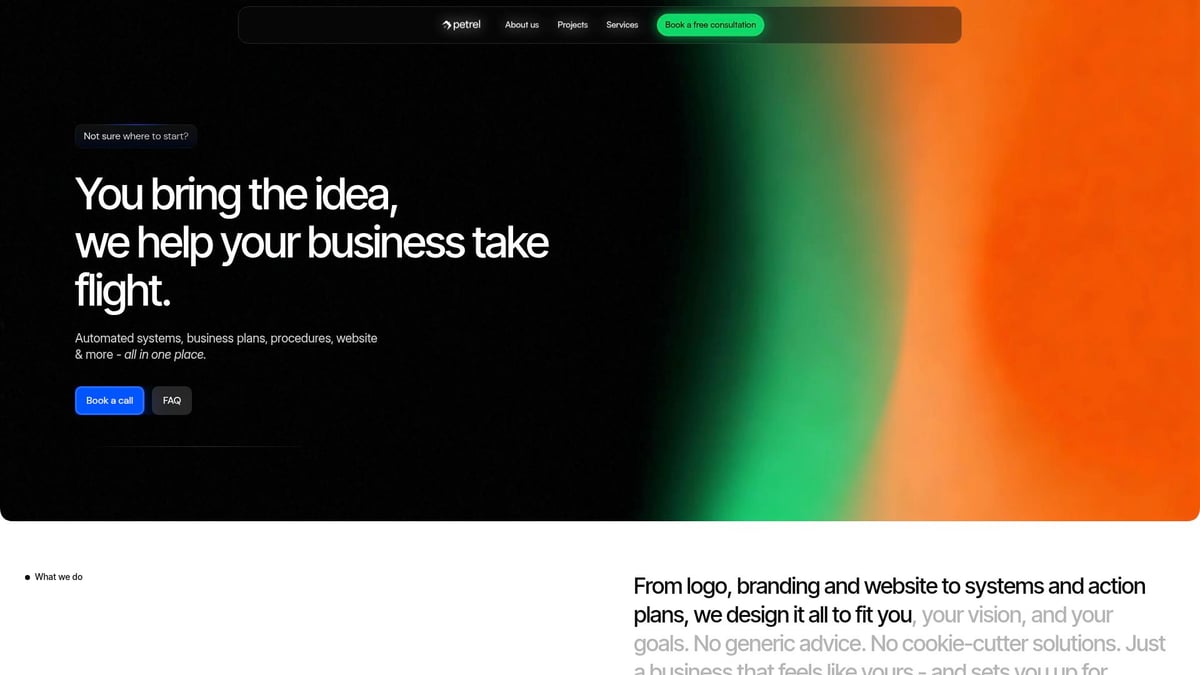
Petrel Studio offers a comprehensive solution for launching a business, making it unique among low capital business ideas. They handle everything: business planning, branding, website, systems, AI automation, and ongoing coaching.
Services:
End-to-end business setup
Custom branding and web development
AI-driven automation
Pros:
No need for multiple vendors
Satisfaction guarantee
Cons:
Requires client involvement in planning
With tailored packages and a rapid 30–45 day turnaround, Petrel Studio has helped over 500 founders in 10+ industries. This integrated approach is perfect for new entrepreneurs who want a real, operational business from day one.
Key Steps to Launching a Low Capital Business in 2026
Starting your journey with low capital business ideas in 2026 requires a clear plan and practical steps. Here is how you can move from concept to a thriving venture with minimal investment.

Identifying Your Niche and Market Demand
Finding the right niche is the cornerstone of successful low capital business ideas. Begin by researching current trends and gaps in the market. Use tools like Google Trends or social media polls to gauge what potential customers want. Analysing competitors and reading customer reviews can help refine your offering.
One practical approach is to conduct a pre-launch survey. For example, a microlearning platform surveyed its target audience before launch to ensure strong demand. This step reduces risk and increases your chances of traction. For more inspiration, explore Low Cost Start-up Businesses, which covers additional methods for idea validation. By starting with data-driven insights, you set a strong foundation for your venture.
Setting Up for Success: Legal, Financial & Digital Essentials
Once your idea is validated, register your business in Australia by obtaining an ABN, considering GST obligations, and securing essential insurance. Proper setup is crucial for all low capital business ideas. Managing your finances wisely from the outset is equally important. Use budgeting tools and accounting software to track income and expenses.
Lean startup principles can help you keep costs under control. Embrace cloud-based solutions for operations and communication, which are often more affordable than traditional office setups. According to Australian Business Statistics 2024-25, businesses that adopt digital-first tools often report higher survival rates. A strong online presence, including a website and Google Business profile, is vital for credibility and customer reach.
Leveraging Technology and Automation
Embracing technology is essential for scaling low capital business ideas efficiently. Automate repetitive tasks using AI-powered tools for marketing, customer service, and appointment bookings. This approach not only saves time but also reduces operational costs.
Recommended tools include scheduling software, chatbots, and cloud-based project management platforms. For instance, a mobile car detailing business can automate bookings and reminders, freeing up valuable time for client service. By leveraging automation, you position your business for growth and adaptability in a competitive landscape. Staying updated with the latest tech trends ensures your venture remains relevant and efficient.
Trends Shaping Low Capital Businesses in 2026
The landscape for low capital business ideas is rapidly evolving in 2026, driven by global shifts in technology, consumer preferences, and how work gets done. Entrepreneurs are finding new ways to launch ventures that are both cost-effective and highly scalable.

Key Trends Driving Change
Several major trends are shaping the future of low capital business ideas:
AI and Automation: Small businesses are increasingly adopting AI-powered tools for customer service, marketing, and operations. This technology streamlines tasks and reduces ongoing costs.
Sustainable and Ethical Brands: Consumers are more conscious of environmental impact. Businesses that prioritise eco-friendly products and practices are gaining a competitive edge.
Growth of the Gig and Freelance Economy: More professionals are choosing flexible, project-based work, allowing startups to access specialised talent without long-term commitments.
Digital Products and Subscriptions: The popularity of digital downloads, online courses, and subscription boxes is soaring, offering recurring revenue without significant inventory costs.
According to recent data, 65% of new Australian businesses in 2025 adopted digital-first strategies, highlighting the momentum behind these approaches.
For more inspiration on how these trends translate into action, explore Local Business Ideas in Australia, which covers opportunities tailored to the current market.
These shifts are lowering barriers for aspiring founders. With the right strategy, even those with modest resources can tap into the most promising low capital business ideas and build a venture that fits the demands of 2026.
If you're feeling inspired by these innovative, low capital business ideas and are ready to take the next step, you don't have to navigate the journey alone. At Petrel, we understand the unique challenges and opportunities that come with starting a business in 2026. We work alongside you to develop a clear plan, craft your brand, build your online presence, and set up efficient systems that save you time and money. If you're serious about turning your business vision into reality, let's chat about how we can support your goals—simply Book a free consultation to get started.
Entrepreneurship is booming, with more Australians seeking ways to launch their own ventures. The search for low capital business ideas is at an all-time high, especially as 2026 approaches. This article explores eight innovative low capital business ideas designed for those who want to start strong without breaking the bank. From digital platforms to eco-friendly ventures and service-based solutions, the options are diverse and achievable. If limited capital has held you back, discover how these business models can help you take the leap. Which path will fit your ambitions best? Read on to find out.
Why Low Capital Businesses Are Booming in 2026
Entrepreneurship is on the rise in Australia, driven by a desire for independence and financial security. Many are turning to low capital business ideas as traditional employment models shift. The appeal lies in the ability to start small, manage risk, and scale over time.
Technology is a major catalyst in this surge. Affordable digital tools, cloud platforms, and AI have made it easier than ever to launch and operate a business with minimal upfront investment. This accessibility is empowering more people to test low capital business ideas, regardless of their background or location.
Remote work and digital transformation have also opened new market gaps. As businesses and consumers embrace online solutions, demand for innovative services and products grows. This shift enables founders to reach customers across Australia and beyond, all while keeping costs low.
There is a growing preference for flexible, scalable business models. Low capital business ideas give founders the freedom to pivot quickly, experiment with new offerings, and adjust to changing market conditions. This agility is crucial in a fast-evolving economy.
Social media and digital marketing have further reduced barriers. Entrepreneurs can now reach targeted audiences with minimal spend, using platforms like Instagram, Facebook, and TikTok to build a loyal customer base. This democratisation of marketing has levelled the playing field for small players.
The results are clear. According to Statista, new business registrations in Australia rose by 12% in 2025, reflecting an unprecedented entrepreneurial surge. This trend is echoed by Australia's July 2025 business boom, which highlights the growing appetite for self-employment across the country.
Low capital business ideas offer high potential with lower risk, making them the perfect entry point for first-time founders. With the right approach and tools, anyone can turn a small investment into a thriving venture.
8 Innovative Low Capital Business Ideas for 2026
Exploring the best low capital business ideas can open doors to entrepreneurship in 2026, regardless of your background or resources. These eight options span digital, service-based, and eco-friendly models, each with unique strengths. Discover which path aligns with your ambitions and how you can turn minimal investment into real results.
1. [AI-Powered Virtual Assistant Services]
AI-powered virtual assistant services stand out among low capital business ideas for 2026. With rapid advances in AI, you can offer remote support for admin, scheduling, and customer service. Start-up costs are minimal, covering AI platform subscriptions and basic marketing.
Key features:
Automation of repetitive tasks
24/7 availability for clients
Multilingual capabilities
Pros:
Scalable, suits SMEs and solopreneurs
Recurring income
Global reach
Cons:
Requires ongoing learning of new AI tools
Ideal for tech-savvy communicators, this business can earn $35–$60 per hour in Australia. For in-depth guidance, see Starting a Virtual Assistant Business.
2. [Eco-Friendly Subscription Box Business]
Eco-friendly subscription boxes are among the most promising low capital business ideas for eco-conscious founders. Curate reusable goods, organic snacks, and green essentials, then deliver boxes to subscribers.
Startup costs:
Product samples
Website and packaging
Features:
Customisable boxes
Monthly themes
Local supplier partnerships
Pros:
Recurring revenue stream
Builds brand loyalty
Cons:
Logistics and supplier management
Targeting families and sustainability-minded consumers, Australian startups in this niche report a 40% repeat customer rate.
3. [Online Microlearning Platform]
Online microlearning is reshaping low capital business ideas in the education sector. By creating bite-sized courses for professionals or hobbyists, you tap into the surging demand for flexible upskilling.
Startup costs:
Content creation software
Website hosting
Features:
Mobile-friendly modules
Interactive quizzes
Completion certificates
Pros:
Passive income potential
Global scalability
Cons:
Competition and content quality demands
Microlearning platforms have seen 30% annual growth, making this model attractive to students and professionals alike.
4. [Mobile Car Detailing & Cleaning Services]
Mobile car detailing is a practical contender among low capital business ideas. Provide on-site, eco-friendly cleaning for busy professionals and rideshare drivers, with no need for a shopfront.
Startup costs:
Cleaning supplies
Marketing materials
Transport
Features:
Waterless cleaning options
Subscriptions for regular clients
Pros:
Flexible schedule
Repeat business
Cons:
Dependent on weather
Labour intensive
Earnings can reach $500–$1,500 per week, especially in urban areas with high demand.
5. [Personalised Digital Products Shop]
Selling custom digital goods is one of the most accessible low capital business ideas for creatives. Use platforms like Etsy to offer planners, art, and templates, all delivered instantly online.
Startup costs:
Graphic design software
E-commerce platform fees
Features:
Unlimited digital inventory
Niche targeting
Pros:
No shipping or storage
High profit margins
Cons:
Market saturation
Copyright risks
Top sellers in this field report monthly revenues of $2,000–$10,000, proving its earning potential.
6. [Hyperlocal Social Media Management]
Hyperlocal social media management helps local businesses thrive, making it a smart addition to low capital business ideas. Offer tailored content, analytics, and reputation management to cafes, gyms, and retailers.
Startup costs:
Scheduling software
Local networking
Features:
Community-focused engagement
Detailed reporting
Pros:
Recurring contracts
Creative, dynamic work
Cons:
Client churn
Risk of content burnout
Social media managers often charge $800–$2,000 per client each month, making this model lucrative for digital marketers.
7. [Freelance Sustainability Consulting]
Freelance sustainability consulting is a timely entry to low capital business ideas. Advise SMEs on eco-friendly practices and compliance, leveraging your expertise as regulatory changes drive demand.
Startup costs:
Training and certification
Marketing materials
Features:
Sustainability audits
Green certifications
Implementation guides
Pros:
High professional impact
Personal growth
Cons:
Requires subject expertise
Competitive market
Consultants in this space can command $80–$200 per hour, especially as businesses seek greener operations.
8. Petrel Studio – All-in-One Business Launch Partner
Petrel Studio offers a comprehensive solution for launching a business, making it unique among low capital business ideas. They handle everything: business planning, branding, website, systems, AI automation, and ongoing coaching.
Services:
End-to-end business setup
Custom branding and web development
AI-driven automation
Pros:
No need for multiple vendors
Satisfaction guarantee
Cons:
Requires client involvement in planning
With tailored packages and a rapid 30–45 day turnaround, Petrel Studio has helped over 500 founders in 10+ industries. This integrated approach is perfect for new entrepreneurs who want a real, operational business from day one.
Key Steps to Launching a Low Capital Business in 2026
Starting your journey with low capital business ideas in 2026 requires a clear plan and practical steps. Here is how you can move from concept to a thriving venture with minimal investment.
Identifying Your Niche and Market Demand
Finding the right niche is the cornerstone of successful low capital business ideas. Begin by researching current trends and gaps in the market. Use tools like Google Trends or social media polls to gauge what potential customers want. Analysing competitors and reading customer reviews can help refine your offering.
One practical approach is to conduct a pre-launch survey. For example, a microlearning platform surveyed its target audience before launch to ensure strong demand. This step reduces risk and increases your chances of traction. For more inspiration, explore Low Cost Start-up Businesses, which covers additional methods for idea validation. By starting with data-driven insights, you set a strong foundation for your venture.
Setting Up for Success: Legal, Financial & Digital Essentials
Once your idea is validated, register your business in Australia by obtaining an ABN, considering GST obligations, and securing essential insurance. Proper setup is crucial for all low capital business ideas. Managing your finances wisely from the outset is equally important. Use budgeting tools and accounting software to track income and expenses.
Lean startup principles can help you keep costs under control. Embrace cloud-based solutions for operations and communication, which are often more affordable than traditional office setups. According to Australian Business Statistics 2024-25, businesses that adopt digital-first tools often report higher survival rates. A strong online presence, including a website and Google Business profile, is vital for credibility and customer reach.
Leveraging Technology and Automation
Embracing technology is essential for scaling low capital business ideas efficiently. Automate repetitive tasks using AI-powered tools for marketing, customer service, and appointment bookings. This approach not only saves time but also reduces operational costs.
Recommended tools include scheduling software, chatbots, and cloud-based project management platforms. For instance, a mobile car detailing business can automate bookings and reminders, freeing up valuable time for client service. By leveraging automation, you position your business for growth and adaptability in a competitive landscape. Staying updated with the latest tech trends ensures your venture remains relevant and efficient.
Trends Shaping Low Capital Businesses in 2026
The landscape for low capital business ideas is rapidly evolving in 2026, driven by global shifts in technology, consumer preferences, and how work gets done. Entrepreneurs are finding new ways to launch ventures that are both cost-effective and highly scalable.
Key Trends Driving Change
Several major trends are shaping the future of low capital business ideas:
AI and Automation: Small businesses are increasingly adopting AI-powered tools for customer service, marketing, and operations. This technology streamlines tasks and reduces ongoing costs.
Sustainable and Ethical Brands: Consumers are more conscious of environmental impact. Businesses that prioritise eco-friendly products and practices are gaining a competitive edge.
Growth of the Gig and Freelance Economy: More professionals are choosing flexible, project-based work, allowing startups to access specialised talent without long-term commitments.
Digital Products and Subscriptions: The popularity of digital downloads, online courses, and subscription boxes is soaring, offering recurring revenue without significant inventory costs.
According to recent data, 65% of new Australian businesses in 2025 adopted digital-first strategies, highlighting the momentum behind these approaches.
For more inspiration on how these trends translate into action, explore Local Business Ideas in Australia, which covers opportunities tailored to the current market.
These shifts are lowering barriers for aspiring founders. With the right strategy, even those with modest resources can tap into the most promising low capital business ideas and build a venture that fits the demands of 2026.
If you're feeling inspired by these innovative, low capital business ideas and are ready to take the next step, you don't have to navigate the journey alone. At Petrel, we understand the unique challenges and opportunities that come with starting a business in 2026. We work alongside you to develop a clear plan, craft your brand, build your online presence, and set up efficient systems that save you time and money. If you're serious about turning your business vision into reality, let's chat about how we can support your goals—simply Book a free consultation to get started.